Advocacy in the Fisheries Industry: Ensuring Sustainability in Indonesia
Category : |
Sub Category : Posted on 2023-10-30 21:24:53
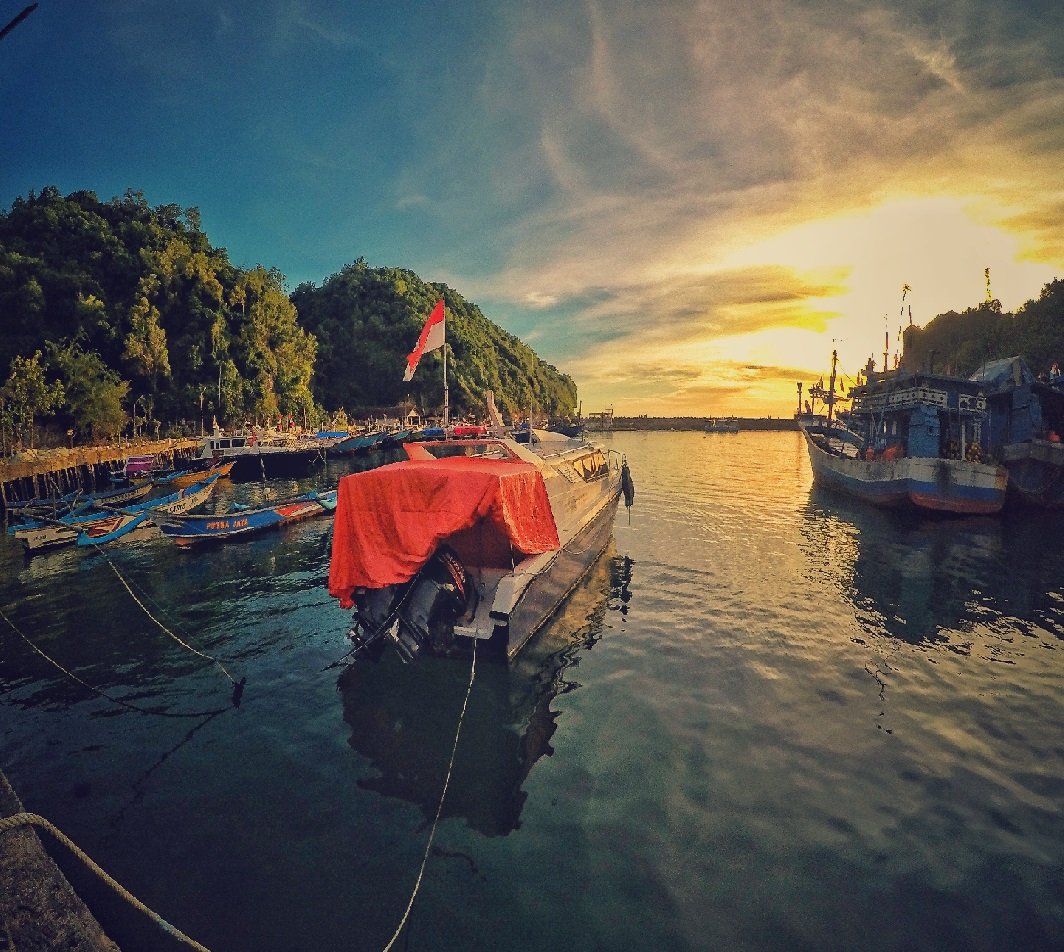
Introduction: The fisheries industry plays a crucial role in Indonesia's economy, contributing significantly to employment, food security, and export revenues. However, like many other countries, Indonesia faces numerous challenges in ensuring the sustainability of its fisheries sector. In recent years, advocacy efforts have emerged to tackle these challenges and promote responsible fishing practices. This blog post explores the advocacy initiatives in Indonesia's fisheries industry and highlights the importance of sustainable fishing for the country's future. 1. Understanding the Challenges: Before delving into advocacy efforts, it is important to identify the challenges facing Indonesia's fisheries industry. Overfishing, destructive fishing practices, habitat degradation, and inadequate management systems have put immense pressure on fish stocks and marine ecosystems. These issues not only impact the environment but also threaten the livelihoods of millions of individuals dependent on the fisheries sector. 2. The Role of Advocacy: Advocacy in the fisheries industry aims to address these challenges and promote sustainable fishing practices. It involves a range of activities, including policy advocacy, raising awareness, capacity building, community engagement, and collaboration with stakeholders. Effective advocacy campaigns can lead to stronger regulations, improved management practices, and increased public participation in the conservation and sustainable use of marine resources. 3. Promoting Sustainable Fisheries: One of the key advocacy initiatives in Indonesia is the promotion of sustainable fishing practices. This involves education and training programs for fishers on responsible fishing techniques, the use of selective fishing gear, and minimizing bycatch. By providing alternatives to destructive practices, advocacy organizations help fishers adopt sustainable methods that maintain fish populations and protect marine ecosystems. 4. Strengthening Fisheries Management: Advocacy efforts also focus on strengthening fisheries management systems. This includes advocating for the adoption and enforcement of regulations that regulate fishing activities, establish protected areas, and ensure fair and inclusive governance. Advocacy organizations work closely with government agencies, policymakers, and local communities to develop effective management frameworks that consider both ecological and socio-economic aspects of fisheries. 5. Community Engagement and Empowerment: Successful advocacy initiatives recognize the importance of engaging and empowering local communities. By involving fishing communities in decision-making processes, advocating for their rights, and promoting alternative livelihood options, advocacy efforts seek to build strong partnerships between communities and authorities. This collaboration helps create a sense of ownership and responsibility, leading to long-term commitment to sustainable fishing practices. 6. Collaboration and Networking: To maximize their impact, advocacy organizations often collaborate with national and international partners, including NGOs, research institutions, private sector stakeholders, and government agencies. By leveraging each other's expertise and resources, these collaborations promote knowledge sharing, capacity building, and the development of innovative solutions to address the complex challenges faced by the fisheries industry. Conclusion: Advocacy in the fisheries industry is vital for ensuring the sustainability of Indonesia's marine resources. By promoting sustainable fishing practices, strengthening fisheries management systems, engaging local communities, and fostering collaborations, advocacy efforts are playing a crucial role in securing a sustainable future for the fisheries industry. However, sustaining these advocacy initiatives requires ongoing support from stakeholders at all levels, including the government, industry players, and the wider public. Together, we can protect Indonesia's rich marine biodiversity while preserving the livelihoods of those who depend on it. Seeking answers? You might find them in http://www.microadvocacy.com


