Harnessing the Potential: Exploring Africa's Fisheries Industry in Indonesia
Category : |
Sub Category : Posted on 2023-10-30 21:24:53
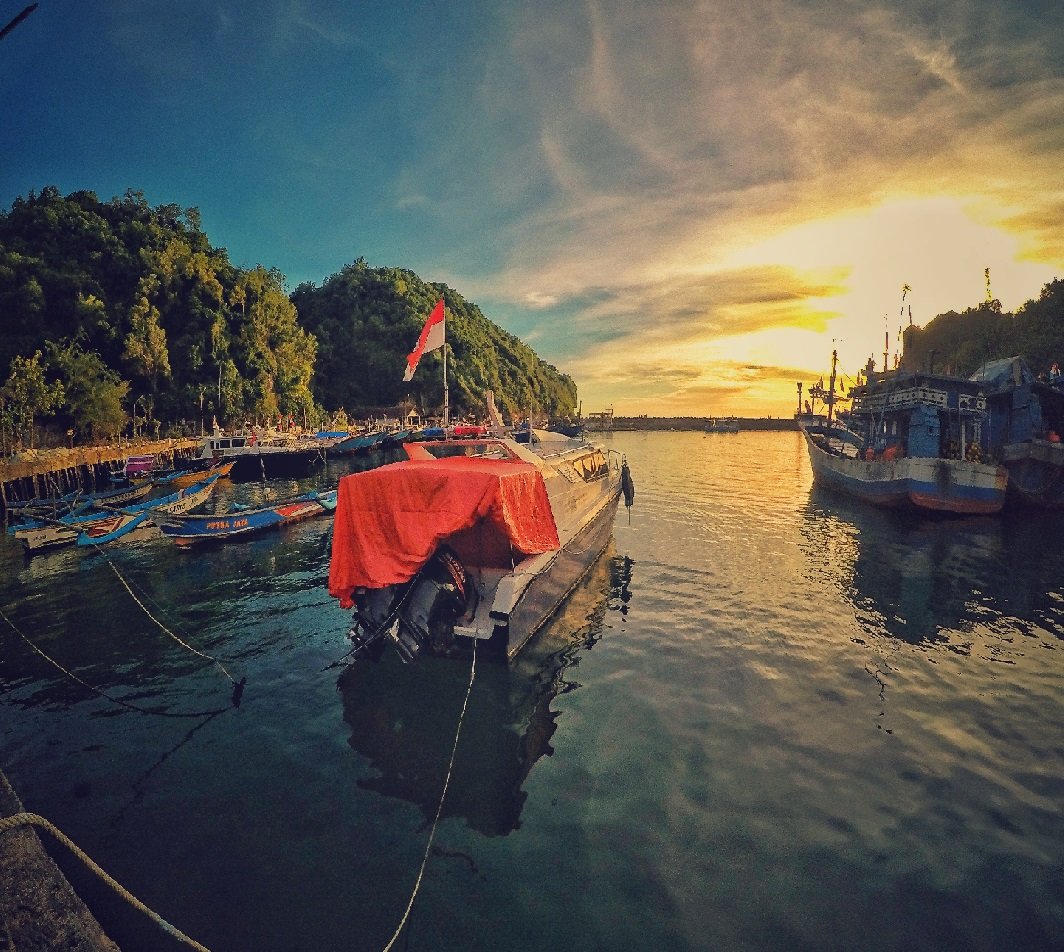
Introduction: Indonesia, a country known for its rich marine resources and vibrant fishing culture, has been a popular destination for the global fisheries industry. However, amidst this thriving scene, there lies an untapped opportunity - the potential collaboration between Africa and Indonesia's fisheries sectors. In this blog post, we will delve into the African fisheries industry and discuss how the two nations can work together to maximize their respective potentials. Understanding Africa's Fisheries Industry: Africa possesses vast water bodies, including the Atlantic Ocean, the Indian Ocean, and the Mediterranean Sea, which are home to a diverse range of marine species. However, despite this abundance, the African fisheries industry has faced several challenges, such as illegal fishing, overfishing, and inadequate infrastructure. As a result, many African nations struggle to fully exploit and benefit from their marine resources. Indonesia's Success Story: On the other hand, Indonesia's fisheries industry has experienced significant growth over the past few decades. The country has been successful in implementing sustainable fishing practices, establishing marine protected areas, and improving its seafood processing and export capabilities. By learning from Indonesia's experiences, African nations can enhance their fisheries management systems and boost sustainable fishing practices. Collaboration Opportunities: 1. Knowledge and Technology Exchange: Indonesia can share its expertise in sustainable fishing methods, aquaculture techniques, and seafood processing with African countries. This exchange of knowledge can empower African nations to improve their fishing practices, reduce post-harvest losses, and increase value-added seafood products. 2. Investment and Infrastructure Development: Indonesia can provide financial assistance and technical support to help African nations develop their fisheries infrastructure. This could include constructing modern ports, storage facilities, and fish processing plants. By enhancing their infrastructure, African countries can efficiently handle their catch, reduce post-harvest losses, and enhance their market competitiveness. 3. Market Access and Trade: Indonesian fishery companies can collaborate with African counterparts to explore new market opportunities. By working together, both parties can leverage their respective market strengths and expand their seafood exports to different regions around the world. Additionally, this collaboration can help improve supply chain efficiency and ensure the delivery of high-quality seafood products. 4. Research and Development: Collaborative research initiatives can be undertaken to better understand African marine ecosystems, improve fisheries management strategies, and develop sustainable fishing policies. By pooling resources and expertise, both Africa and Indonesia can drive innovation and explore new possibilities for sustainable fisheries development. Conclusion: The fisheries industry holds immense potential for both Africa and Indonesia. By fostering collaboration and knowledge exchange, African nations can learn from Indonesia's success story and overcome the challenges they face. This partnership has the potential to transform Africa's fisheries industry, improve livelihoods, and contribute to the sustainable development of the continent. With collective efforts, Africa and Indonesia can establish a strong alliance in the fisheries sector, benefiting both regions and the global seafood market as a whole. For a comprehensive review, explore http://www.afrospaces.com


