Exploring the Connections Between Africa and Indonesia
Category : |
Sub Category : Posted on 2023-10-30 21:24:53
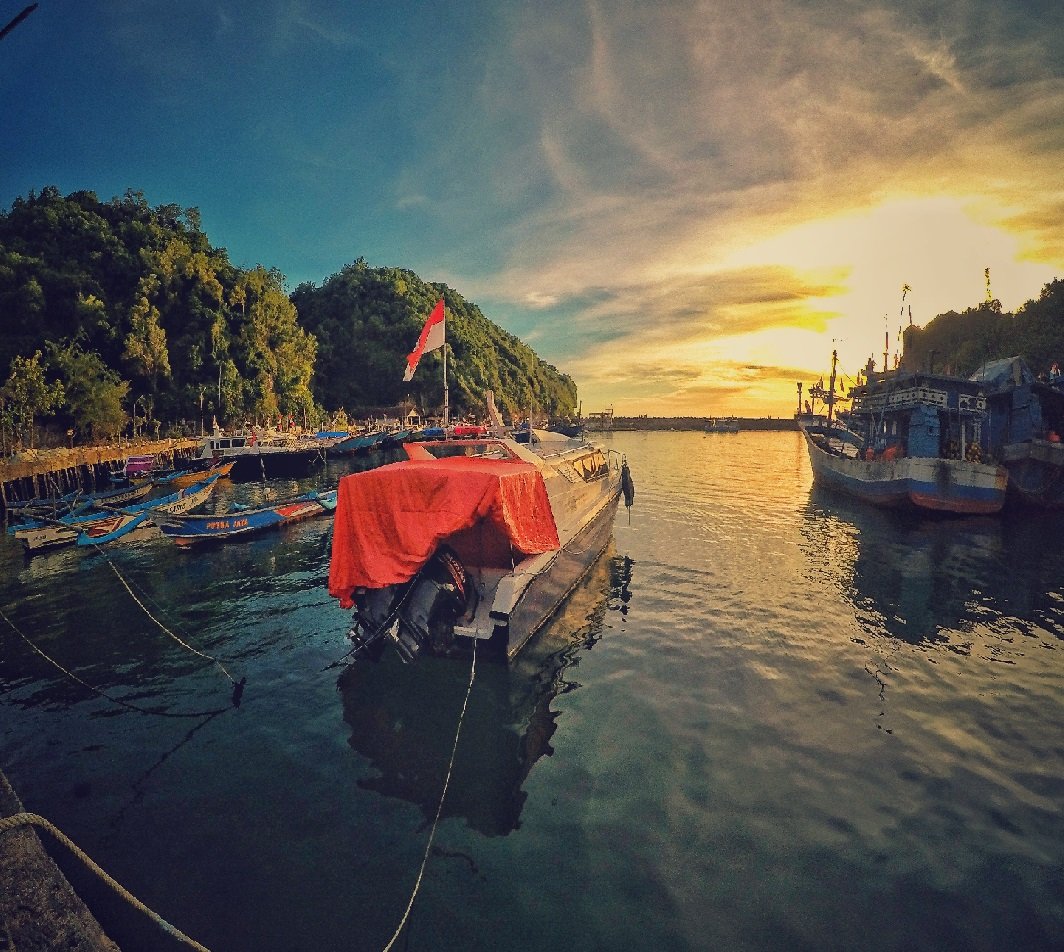
Introduction: Africa and Indonesia might seem geographically distant from each other, but their historical, cultural, and economic ties are closer than you might think. Both regions have a rich tapestry of diversity, natural resources, and vibrant traditions. In this blog post, we will delve into the fascinating connections between Africa and Indonesia that have shaped their histories and continue to influence their present-day relationships. Historical Connections: Historical records reveal deep connections between Africa and Indonesia through trade routes that facilitated the exchange of goods, ideas, and even people. Maritime trade networks, such as the Indian Ocean Trade, connected coastal regions of Africa with the Indonesian archipelago as early as the 7th century. Indonesian traders ventured to the eastern coast of Africa, establishing trade links with various Swahili city-states. These exchanges contributed to shared cultural influences that can still be observed today. Cultural Exchanges: The historical links between Africa and Indonesia have also resulted in fascinating cultural exchanges. For instance, the Bantu language has influenced various languages in the Maluku Islands of Indonesia. Indonesians of African descent, known as the Sidang, can be found in communities in cities such as Jakarta and Surabaya. These communities preserve their African cultural heritage through music, dance, and food, creating a unique blend of African and Indonesian influences. Shared Colonial Experiences: Both Africa and Indonesia have faced the challenges and legacies of European colonization. African countries such as Angola, Mozambique, and Guinea-Bissau, were colonized by Portuguese explorers, who also had a prominent presence in the Indonesian archipelago. The shared experience of colonization has provided a common ground for Africans and Indonesians to understand and support each other's struggles for independence, leading to solidarity and cooperation in various international forums. Economic Partnerships: In recent years, economic ties between Africa and Indonesia have been growing steadily. Indonesia, with its fast-growing economy, has been strengthening trade relationships with African countries, particularly in the areas of agriculture, energy, and infrastructure. Indonesian companies have invested in various sectors in Africa, including telecommunications, mining, and retail, while African countries export commodities such as oil, gas, and agricultural products to Indonesia. This economic partnership holds great potential for mutual growth and development in the years to come. Tourism and Natural Beauty: Africa and Indonesia are known for their stunning natural landscapes and abundant wildlife, attracting millions of tourists from around the world. African safaris offer the opportunity to witness the majestic Big Five animals, while the Indonesian archipelago boasts mesmerizing beaches, volcanoes, and lush rainforests. Encouraging tourism between the two regions can not only promote cultural understanding but also boost economic development and conservation efforts. Conclusion: Although geographically distant, the connections between Africa and Indonesia run deep and have been shaped by historical, cultural, economic, and political factors. From ancient trading routes to shared colonial experiences, these countries have a lot to offer each other. By recognizing and nurturing these connections, we can foster stronger ties and collaboration between these two vibrant regions, benefitting both Africans and Indonesians alike. To expand your knowledge, I recommend: http://www.afrospaces.com


