Exploring the Culinary Delights of African Cuisine and the Innovative Energy Companies in Indonesia
Category : |
Sub Category : Posted on 2023-10-30 21:24:53
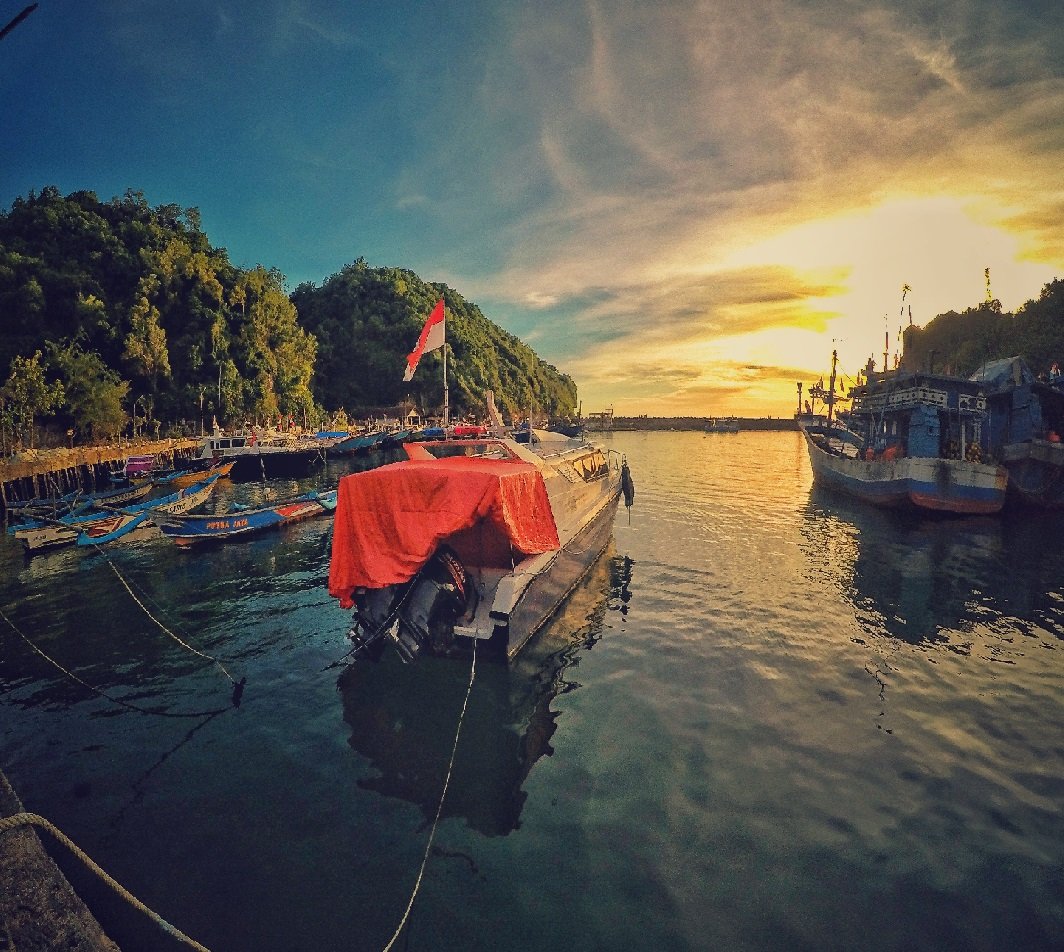
Introduction: From the vibrant flavors of African cuisine to the pioneering efforts of Indonesia's energy companies, both showcase the rich diversity and ingenuity found within these regions. In this blog post, we will delve into the world of African cuisine and Indonesia's energy industry, highlighting their unique characteristics, standout dishes, and remarkable initiatives. Section 1: African Cuisine - A Gastronomic Journey 1.1 History and Influences: African cuisine is a tapestry of diverse cultural influences, reflecting the continent's heritage and history. Traditional African dishes often incorporate a combination of flavor profiles from indigenous ingredients, Arab influences from the north, colonial European influences, and the introduction of spices from Asia. 1.2 Regional Delights: Explore the unique culinary traditions across various regions of Africa, such as the fiery flavors of West African cuisine, the hearty stews and grains of North Africa, the braai (barbecue) culture of Southern Africa, and the vibrant spice blends of East Africa. Discover popular dishes like jollof rice, injera and doro wat, bobotie, and tagines. 1.3 African Ingredients: Learn about the key ingredients that define African cuisine, including staples like yam, plantains, cassava, millet, sorghum, and various leafy greens. Discover the wide variety of spices, such as berbere, harissa, and suya spice blends, which add depth and complexity to African dishes. Section 2: Indonesia's Energy Companies - Driving Innovation 2.1 Renewable Energy Initiatives: Indonesia is taking significant steps towards transitioning to clean and sustainable energy sources. Explore the efforts undertaken by prominent energy companies in Indonesia to harness the power of renewable energy, such as solar, wind, and geothermal. Highlight companies like Adaro Energy, Energi Nusantara Merah Putih (ENMP), and Pertamina Geothermal Energy. 2.2 Sustainable Practices: Indonesia's energy companies are championing sustainable practices to ensure a greener future. Delve into their efforts to reduce emissions, promote energy-efficient technologies, and support local communities through eco-friendly initiatives. Share examples such as sustainable palm oil production and the use of advanced technologies in geothermal power generation. 2.3 Collaborative Solutions: Highlight the collaborative projects between Indonesia's energy companies and international organizations to tackle climate change and foster energy independence. Focus on partnerships that promote research and development, knowledge exchange, and capacity building, aiming to create a more sustainable energy sector for Indonesia. Conclusion: In this blog post, we have only scratched the surface of the vast and diverse realms of African cuisine and Indonesia's energy companies. These topics demonstrate how culture, heritage, and innovation intertwine to create unique experiences in different parts of the world. By celebrating the flavors of African cuisine and applauding the efforts of Indonesia's energy companies, we can appreciate the global impact of culinary diversity and sustainable energy practices. Want a more profound insight? Consult http://www.afrospaces.com Curious to learn more? Click on http://www.africalunch.com


