The Role of Aircraft in Revolutionizing the Fisheries Industry in Indonesia
Category : |
Sub Category : Posted on 2023-10-30 21:24:53
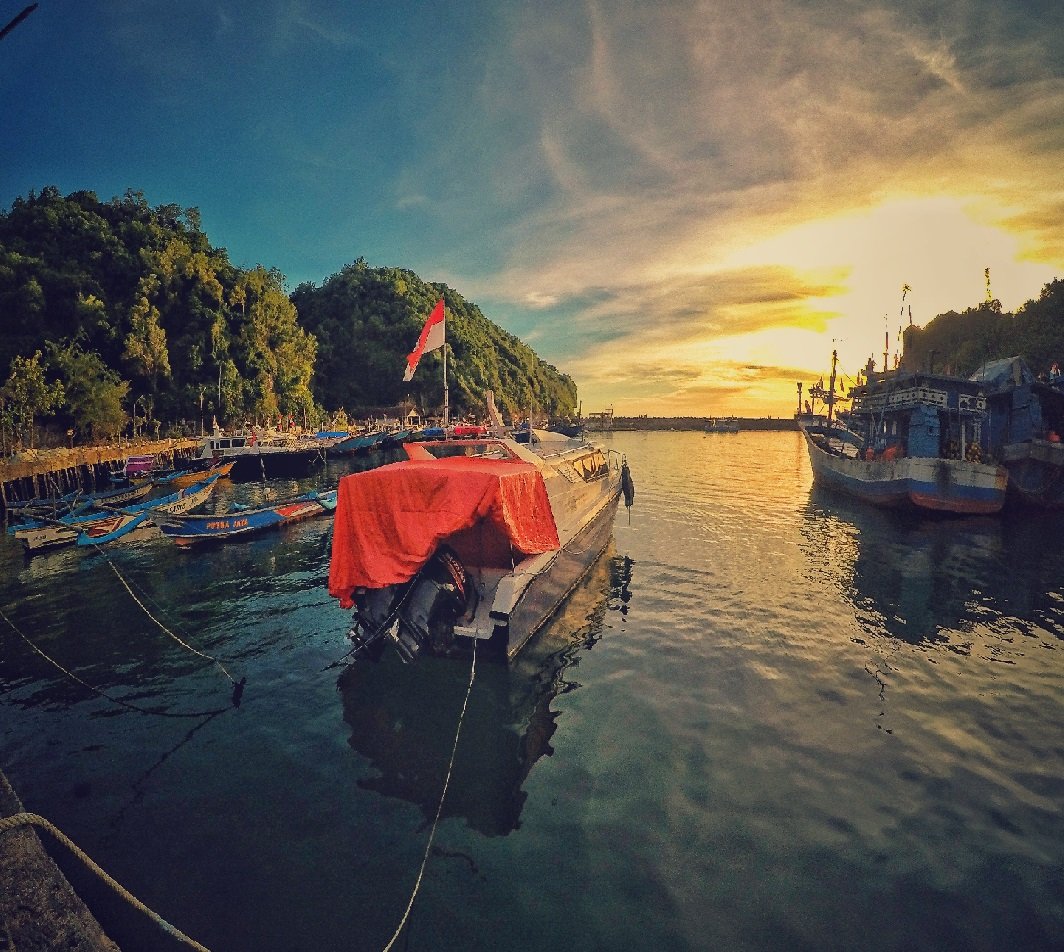
Introduction: In recent years, the fisheries industry in Indonesia has witnessed a significant transformation, with advanced technologies and innovative approaches leading to improved efficiency and sustainability. One such technological advancement that has had a profound impact on the industry is the integration of aircraft. In this blog post, we will explore the role of aircraft in revolutionizing the fisheries industry in Indonesia. Enhanced Surveillance and Monitoring: Aircraft equipped with advanced surveillance systems have become invaluable tools for monitoring and managing the vast maritime territories and fishing grounds in Indonesia. These aerial platforms offer a bird's-eye view, allowing authorities to closely monitor fishing activities and identify illegal or unregulated fishing practices. This increased surveillance has helped combat illegal fishing, protecting marine biodiversity and ensuring sustainable practices in the industry. Efficient Resource Management: Efficient resource management is crucial for the long-term viability of the fisheries industry. Aircraft equipped with remote sensing technologies, such as infrared and hyperspectral imaging, can provide valuable data on the marine environment, including sea surface temperature, chlorophyll concentration, and phytoplankton blooms. This information helps researchers and policymakers make informed decisions regarding fishing seasons, protected areas, and the allocation of fishing quotas, ensuring sustainable resource management and reducing the risk of overfishing. Rapid Response to Incidents: In the vast Indonesian archipelago, rapid response to maritime incidents is critical for the safety of fishermen and the protection of the industry as a whole. Aircraft equipped with search and rescue capabilities can quickly locate distressed vessels, monitor weather conditions, and coordinate rescue efforts. This swift response not only ensures the safety of fishermen but also minimizes the potential economic and environmental impact of accidents. Improved Logistics and Transport: The vast distances between fishing grounds and processing facilities pose a logistical challenge in the fisheries industry. Aircraft are instrumental in overcoming this hurdle by providing rapid transport of fresh seafood from remote locations to processing centers or markets in major cities. This swift transportation ensures the quality and freshness of the catch while reducing transit times and costs. Enabling Sustainable Aquaculture: As traditional fishing methods face limitations due to overfishing and resource depletion, the aquaculture sector has gained prominence in Indonesia. Aircraft are now being employed to assess potential sites for aquaculture facilities by capturing high-resolution aerial imagery and conducting site suitability analysis. This aerial perspective helps identify suitable areas with optimal water quality and access to necessary infrastructure, ensuring sustainable and profitable aquaculture practices. Conclusion: The integration of aircraft has undeniably revolutionized the fisheries industry in Indonesia. From enhancing surveillance and monitoring to enabling efficient resource management, rapid response to incidents, improved logistics, and support for sustainable aquaculture, aircraft have become indispensable assets in ensuring the industry's sustainable growth. As technology continues to advance, we can expect further innovations that will enhance the aircraft's role in the fisheries industry, contributing to the economic development and environmental conservation of Indonesia's marine resources. For expert commentary, delve into http://www.jetiify.com For an in-depth analysis, I recommend reading http://www.s6s.org


