Revolutionizing Healthcare in Indonesia Through Aircrafts
Category : |
Sub Category : Posted on 2023-10-30 21:24:53
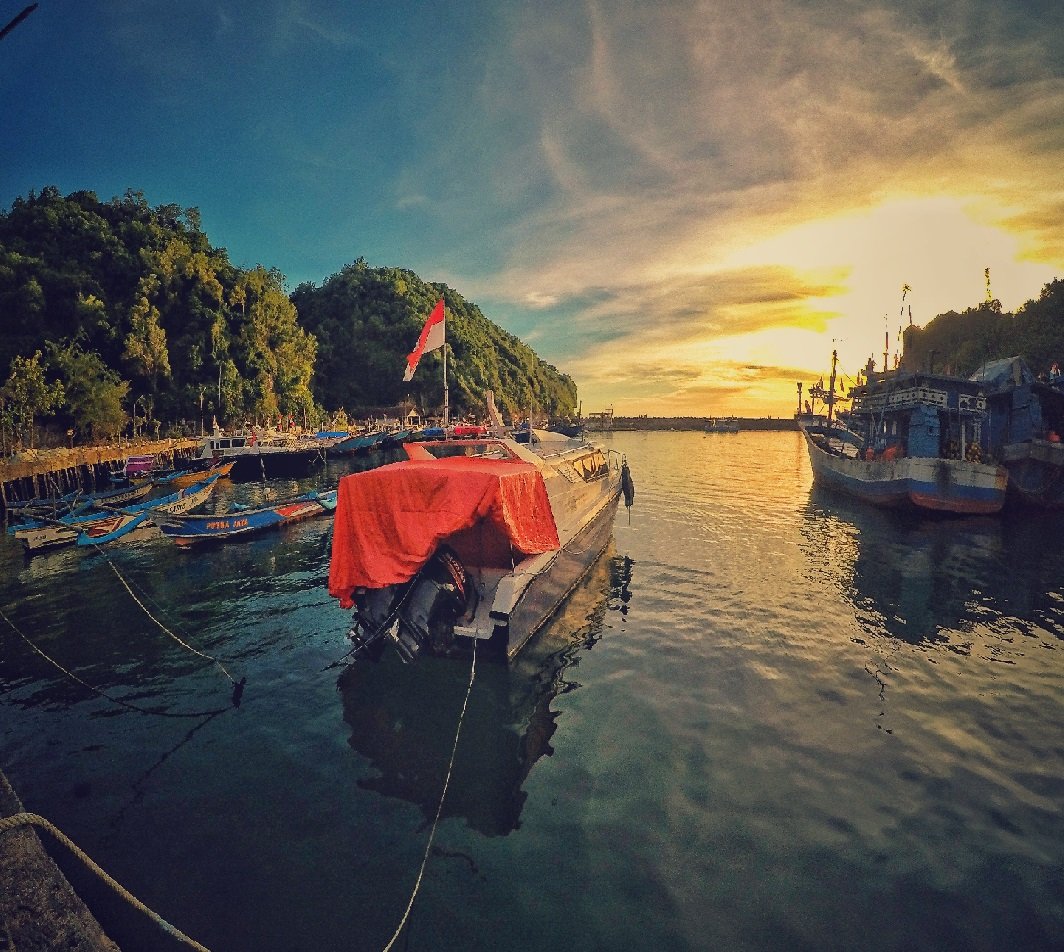
Introduction: In a country as vast and geographically diverse as Indonesia, providing timely and life-saving healthcare services can be a major challenge. With thousands of islands scattered across the archipelago, reaching remote and isolated communities becomes a daunting task. However, technology and innovation have paved the way for a solution that is taking healthcare accessibility to new heights aircrafts. In this blog post, we will explore how aircrafts are revolutionizing healthcare in Indonesia, bridging the gap between remote communities and essential medical services. 1. Emergency Medical Evacuations: One of the most crucial roles played by aircrafts in healthcare is enabling emergency medical evacuations. With limited access to hospitals and medical facilities in remote areas, critically ill patients often face life-threatening delays in receiving appropriate treatment. However, medical helicopters and planes have emerged as a game-changer in emergency situations. Equipped with state-of-the-art medical equipment and staffed with highly trained medical professionals, these flying ambulances are able to reach remote areas in a fraction of the time it would take by land or sea. The ability to transport patients quickly to specialized medical facilities has undoubtedly saved countless lives. 2. Delivering Medical Supplies and Personnel: Aircrafts offer a unique advantage in delivering essential medical supplies, including medications, vaccines, and medical equipment, to communities in need. Furthermore, they can also transport medical personnel, such as doctors, nurses, and specialists, to remote areas where their expertise is desperately needed. This not only improves access to healthcare for residents but also enhances the capacity of local healthcare facilities by enabling timely and efficient distribution of resources. 3. Mobile Clinics and Outreach Programs: Aircrafts can also be transformed into mobile clinics, bringing healthcare services directly to communities that are difficult to reach by traditional means. Equipped with examination rooms, laboratories, and diagnostic equipment, these flying healthcare centers are capable of providing primary healthcare, disease screenings, vaccinations, and health education to remote areas. They play a vital role in addressing health disparities, particularly in areas with limited healthcare infrastructure. 4. Disaster Response and Relief Efforts: Indonesia is prone to natural disasters, including earthquakes, tsunamis, and volcanic eruptions. During such emergencies, aircrafts become invaluable tools in providing immediate medical assistance and facilitating relief efforts. They can airlift injured victims to hospitals, deliver emergency supplies, and help coordinate the response to ensure a seamless and efficient deployment of resources on the ground. By enabling rapid response and enhancing coordination, aircrafts play a crucial role in saving lives during times of crisis. Conclusion: Aircrafts are changing the face of healthcare in Indonesia, making it possible to reach even the most remote and isolated communities with life-saving medical services. From emergency medical evacuations to delivering medical supplies, these flying vehicles are revolutionizing healthcare accessibility, bridging the gap between medical facilities and those in need. By tapping into the power of aircrafts, Indonesia is not only transforming healthcare delivery but also saving lives and improving the overall well-being of its population. for more http://www.jetiify.com Don't miss more information at http://www.doctorregister.com Expand your knowledge by perusing http://www.tinyfed.com If you are interested you can check the following website http://www.natclar.com To get a holistic view, consider http://www.s6s.org


