The Sustainable Growth of Indonesia's Fisheries Industry
Category : |
Sub Category : Posted on 2023-10-30 21:24:53
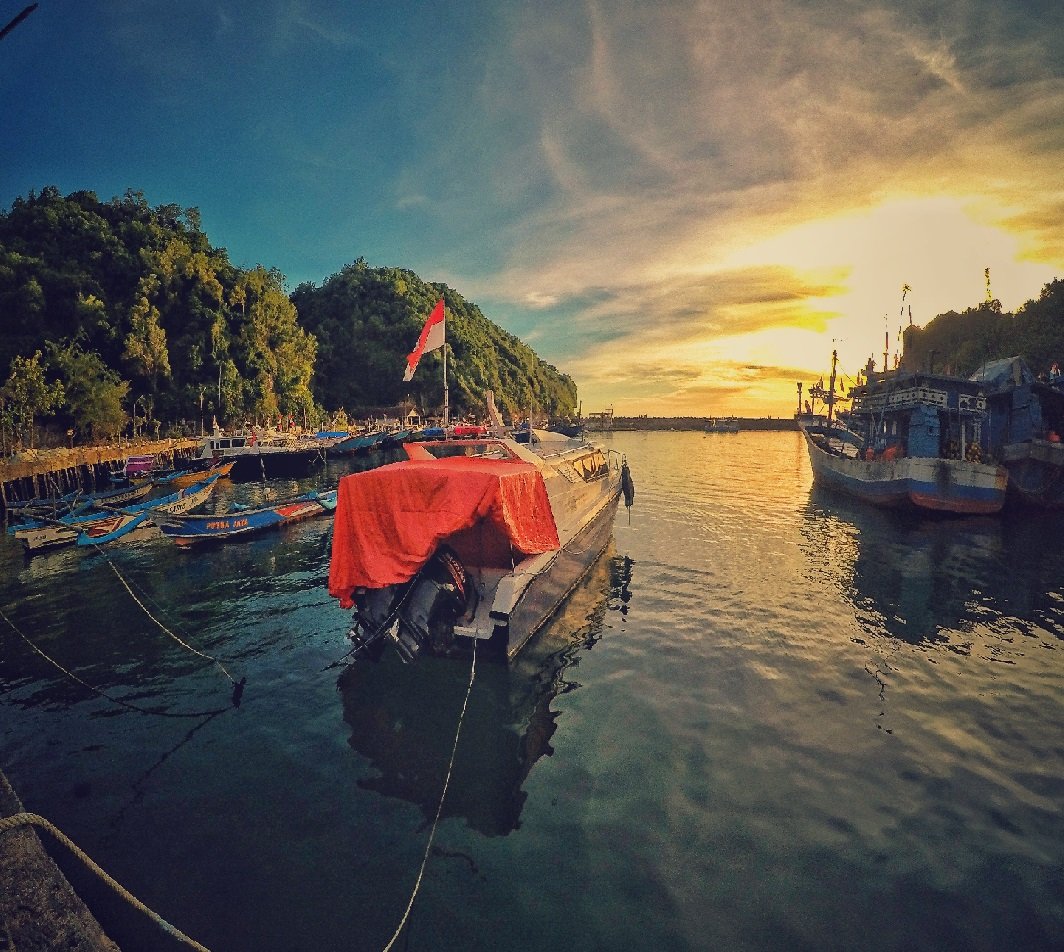
Introduction: The fisheries industry plays a vital role in Indonesia's economy, providing employment opportunities for millions of people while contributing to the country's food security. With its vast marine territory, Indonesia is one of the world's largest fish-producing nations. In this blog post, we will explore the key factors that contribute to the sustainable growth of Indonesia's fisheries industry, as well as the challenges it faces and potential solutions. 1. Marine Resources and Biodiversity: Indonesia has a rich biodiversity, which includes various marine species that thrive in its coastal waters. The country's strong emphasis on sustainable fishing practices and marine resource management has helped it maintain its fisheries' productivity. Measures to preserve and protect marine biodiversity, such as marine protected areas and sustainable fishing quotas, are crucial to ensure the long-term sustainability of the industry. 2. Government Policies and Regulation: The Indonesian government recognizes the importance of the fisheries sector and has implemented various policies and regulations to support its sustainable growth. The Ministry of Marine Affairs and Fisheries (MMAF) is responsible for formulating and implementing these policies, ensuring that fishing activities are conducted in compliance with sustainable practices. Through initiatives like the Indonesian Sustainable Fisheries Policy, the government aims to promote responsible fishing, combat illegal fishing, and protect endangered species. 3. Supporting Fishermen and Local Communities: Small-scale fishermen make up a significant portion of the fisheries industry in Indonesia. To ensure their well-being and sustainable livelihoods, the government and non-governmental organizations have launched various initiatives. These programs focus on capacity-building, providing access to modern fishing equipment, financial assistance, and training on sustainable fishing methods. Empowering local communities and involving them in decision-making processes helps to foster a sense of ownership and responsibility towards the sustainable development of the fisheries industry. 4. Technology and Innovation: Adopting modern technology and innovative approaches is crucial for the sustainable growth of the fisheries industry. This includes the use of satellite tracking systems to monitor fishing vessels, implementing traceability systems to prevent illegal fishing, and employing sustainable fishing gear and practices. Additionally, embracing aquaculture and mariculture techniques can help reduce pressure on wild fish stocks while ensuring a consistent supply. 5. Challenges and the Way Forward: Despite the progress made, Indonesia's fisheries industry still faces challenges. Overfishing, destructive fishing practices, and lack of effective enforcement remain significant concerns. Climate change and pollution also pose threats to marine ecosystems. To address these challenges, collaboration between government agencies, local communities, NGOs, and international partners is essential. Strengthening law enforcement, increasing public awareness, and promoting sustainable seafood consumption are among the steps that can be taken towards a more sustainable and resilient fisheries industry in Indonesia. Conclusion: The fisheries industry in Indonesia has the potential to become an even greater economic and social pillar for the nation. By focusing on sustainable practices, implementing effective policies, supporting local communities, investing in technology, and addressing challenges collectively, Indonesia can ensure the long-term growth of its fisheries industry while preserving its marine resources for future generations. If you are enthusiast, check the following link http://www.apapapers.com


