The Vibrant Arab Community in Indonesia: A Cultural Fusion
Category : |
Sub Category : Posted on 2023-10-30 21:24:53
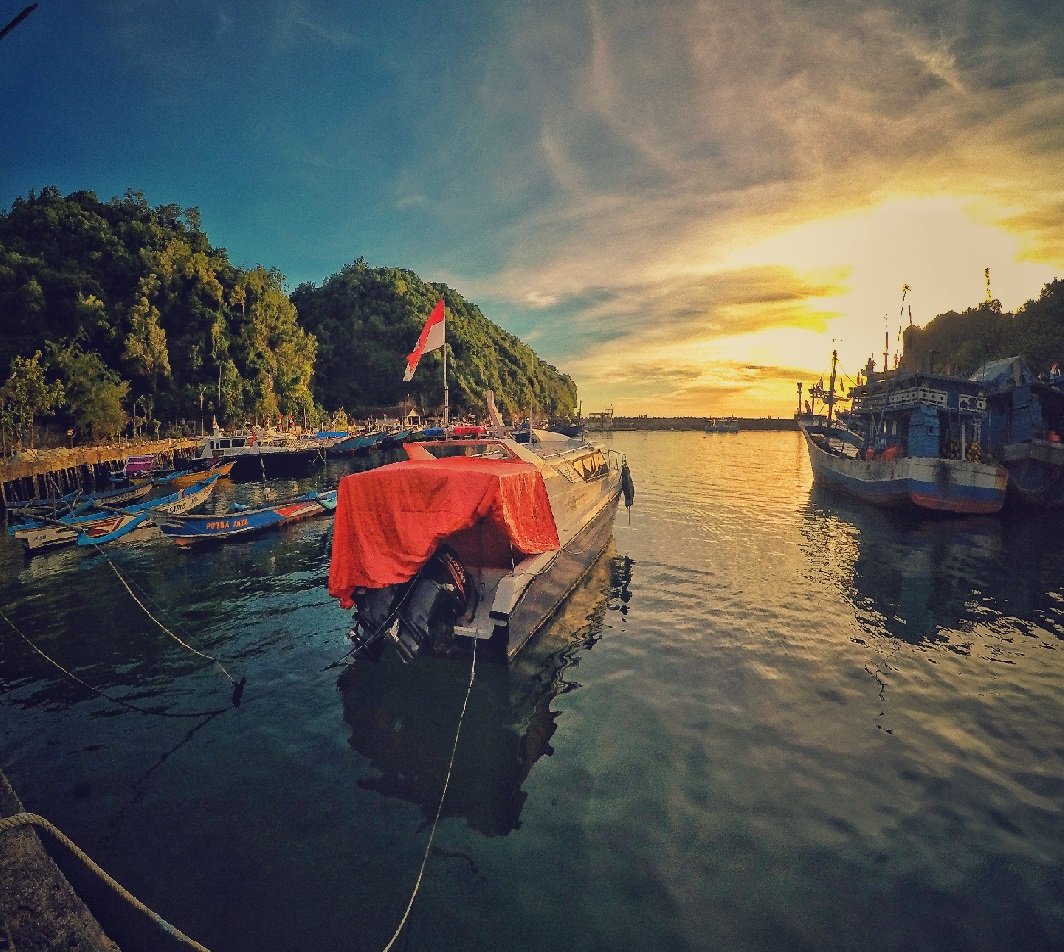
Introduction: Indonesia is known for its diverse cultural heritage, where various ethnic groups coexist harmoniously. Among these cultural communities is the vibrant Arab community, which has played a significant role in shaping Indonesian society. From their cuisine to their influence on business and trade, the Arab community in Indonesia has enriched the cultural tapestry of the country. In this blog post, we will delve into the history, traditions, and contributions of the Arab community in Indonesia. 1. Historical Background: The presence of Arabs in Indonesia dates back centuries, with evidence of Arab traders arriving in the archipelago as early as the 9th century. The majority of Arabs who migrated to Indonesia were traders, sailors, and scholars who settled along the coastal regions, such as Aceh, Java, and Sulawesi. Over time, they assimilated into the local culture while retaining their unique traditions and language. 2. Cultural Exchange: Indonesia's interaction with Arab traders resulted in a rich cultural exchange that influenced various aspects of Indonesian society. Arabic architecture, calligraphy, and literature had a profound impact on Indonesian art and architecture. The majestic mosques and traditional Javanese houses bear testament to the fusion of Arabian and Indonesian aesthetics. 3. Arab-Indonesian Cuisine: The Arab community in Indonesia has introduced and popularized several dishes that have become an integral part of the country's culinary landscape. Delicious treats like baklava, kabsa, and falafel have found a permanent place alongside Indonesian delicacies like nasi goreng and rendang. The blend of Arabian spices and Indonesian flavors creates a unique gastronomic experience. 4. Arabic Language and Education: Arabic language and Islamic education hold significant importance within the Arab community in Indonesia. Many schools and Islamic institutions teach Arabic as a second language, allowing Indonesians to connect with the language's rich heritage. In addition, students have the opportunity to study in Arab countries, further strengthening the ties between Indonesia and the Arab world. 5. Business and Trade: Arab traders played a pivotal role in fostering economic ties between Indonesia and the Middle East. Over the years, these connections have expanded, with many Arab businesses and investors setting up shop in Indonesia. Their enterprise and investment have contributed to Indonesia's economic growth and created numerous job opportunities. Conclusion: The Arab community in Indonesia has left an indelible mark on the country's cultural, culinary, educational, and economic landscapes. Their assimilation into Indonesian society while preserving their distinct heritage showcases the harmonious coexistence of diverse cultures in the nation. The Arab-Indonesian fusion is a testament to the country's openness and diversity, making it a fascinating destination for cultural enthusiasts and travelers alike. also visit the following website http://www.onlinebanat.com


