The Thriving Arabic Fisheries Industry in Indonesia
Category : |
Sub Category : Posted on 2023-10-30 21:24:53
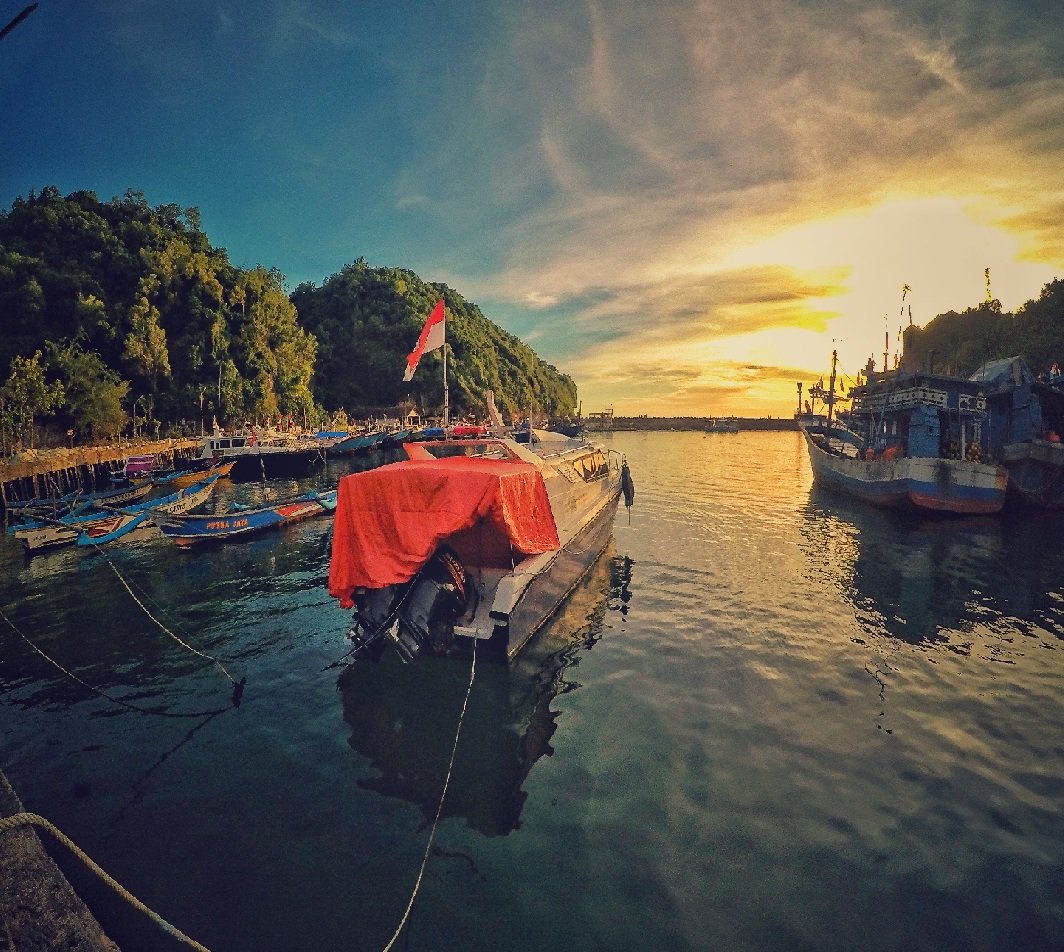
Introduction: Indonesia, the largest archipelago in the world, is not only blessed with natural beauty but also a rich marine ecosystem that supports a thriving fisheries industry. Among the numerous fishing communities across the country, the Arabic fisheries industry stands out for its unique practices and contributions to the economy. In this article, we will explore this lesser-known sector, shedding light on its significance and the fascinating traditions that have been passed down through generations. 1. The Historical Background: The Arabic fisheries industry in Indonesia has a long and storied history, dating back centuries to the time when Arab traders settled in the Indonesian archipelago. The intermingling of Arab and Indonesian cultures created a distinct fishing heritage that continues to shape the industry today. Arabic fishing techniques, combined with local knowledge, have proven to be highly effective in the Indonesian waters, contributing to the sustainability of the industry. 2. Sustainable Fishing Practices: One of the key factors that set the Arabic fisheries industry apart is its commitment to sustainable fishing practices. Sustainability has become an increasingly important aspect of the global fishing industry, and Arabic fishermen in Indonesia have embraced this concept wholeheartedly. They employ traditional techniques such as handline fishing, spearfishing, and selective netting to ensure minimal impact on marine ecosystems. These practices not only preserve the delicate balance of the marine environment but also guarantee the long-term viability of the Arabic fisheries industry in Indonesia. 3. Rich Cultural Heritage: The Arabic fisheries industry in Indonesia is not only about fishing techniques and sustainable practices but also about preserving a rich cultural heritage. This industry serves as a platform for the transmission of traditional knowledge and skills from one generation to the next. Arabic fishermen impart their wisdom and techniques to their children, ensuring the perpetuation of valuable traditions. These traditions are also evident in the tools and equipment used, such as wooden boats adorned with intricate carvings and handmade fishing implements. 4. Economic Impact: The Arabic fisheries industry contributes significantly to the economy of coastal communities across Indonesia. It provides employment opportunities for thousands of local residents and supports countless small-scale businesses. Fishing villages thrive on the sales and trade of fish caught by Arabic fishermen, generating income that sustains their livelihoods. Moreover, the industry plays a crucial role in the country's food security, providing a vital source of protein for both local consumption and export. 5. Cultural Exchange: The presence of Arabic fishermen in Indonesian coastal communities has fostered a unique cultural exchange. The blending of Arabic and Indonesian cultures has resulted in a rich tapestry of traditions, dialects, and cuisine. The Arabic community has also made significant contributions to the local economy, investing in infrastructure development and education initiatives. This cultural exchange has created a sense of unity and understanding, further enriching the social fabric of Indonesia. Conclusion: The Arabic fisheries industry in Indonesia is a testament to the strength of cultural preservation and sustainable practices. This lesser-known sector not only supports coastal communities but also showcases the harmonious coexistence of diverse cultures. By embracing traditional knowledge and championing sustainable fishing methods, the Arabic fisheries industry continues to thrive, ensuring the preservation of vital marine ecosystems and contributing to the economic prosperity of Indonesia. To expand your knowledge, I recommend: http://www.onlinebanat.com


