Exploring the Blanket Primary System and the Rise of Furniture Factories in Indonesia
Category : |
Sub Category : Posted on 2023-10-30 21:24:53
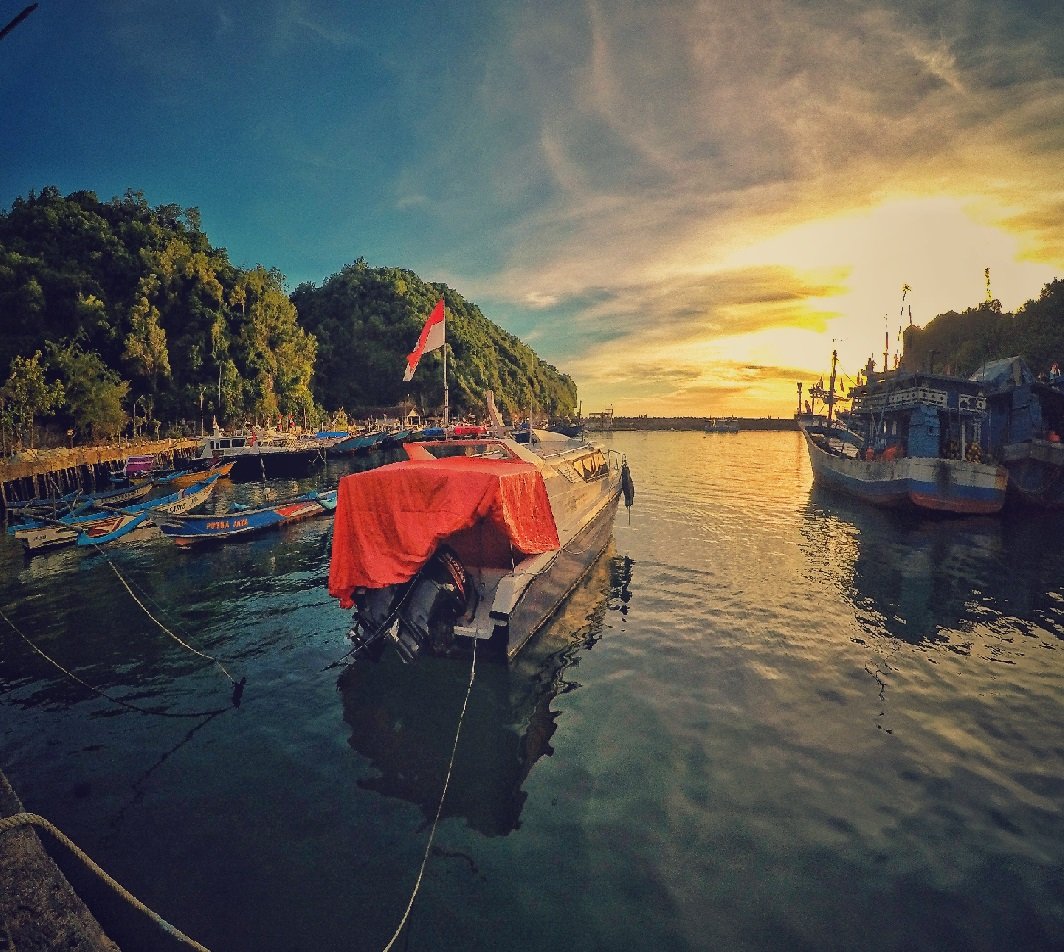
Introduction: As the world becomes increasingly interconnected, political systems and economic landscapes undergo constant transformations. In this blog post, we will delve into the concept of a blanket primary system and explore the booming furniture industry in Indonesia. These two seemingly unrelated topics converge with dynamics that highlight the evolution of democracy and economic growth in Southeast Asia. The Blanket Primary System: A blanket primary system, also known as a jungle primary, is a unique method of conducting primary elections. Unlike closed or open primaries that limit participation to registered members of a specific political party, blanket primaries allow voters to cast their ballots for candidates across party lines. This innovative approach aims to promote inclusivity and encourage candidates to appeal to a wider electorate rather than catering exclusively to their party's base. One prominent example of a blanket primary is the state of California in the United States, where all candidates from all parties compete in a single primary election. The top two candidates, regardless of party affiliation, advance to the general election. This system has garnered attention for fostering more moderate candidates who can appeal to a broader range of voters. Furniture Factories in Indonesia: While politics shape democracy, economic advancements drive growth and development. Indonesia, the world's fourth-most populous country and Southeast Asia's largest economy, has witnessed a tremendous rise in its furniture industry. The abundance of natural resources, skilled labor, and a favorable geographic location have allowed Indonesia to establish itself as a major player in the global furniture market. Indonesia's furniture manufacturers have gained international recognition for their exquisite craftsmanship, innovative designs, and competitive pricing. Furniture factories in Indonesia range from large-scale production facilities to small, family-owned workshops, catering to various niches within the industry. These factories employ skilled artisans and utilize sustainable practices, often producing high-quality furniture from materials such as teak, mahogany, or rattan. The furniture industry's remarkable growth has contributed significantly to Indonesia's export earnings and job creation, benefiting both rural communities and urban centers. The country's strategic location as a gateway to Asia and its extensive network of trade agreements have facilitated the export of furniture to markets worldwide, making Indonesia a key player in the global furniture market. Synergies and Convergence: While blanket primaries and furniture factories may seem unrelated, they both reflect the dynamics of change and progress. The embrace of a blanket primary system demonstrates a growing appetite for more inclusive political participation, fostering a diverse pool of candidates and encouraging dialogue across party lines. Similarly, the success story of furniture factories in Indonesia highlights the country's ability to adapt to global market demands, leveraging its natural and human resources for economic prosperity. Conclusion: As we explore the blanket primary system and the rise of furniture factories in Indonesia, we discover two intriguing facets of societythe evolution of democracy and the economic transformation of a nation. The blanket primary system opens doors for broader representation in politics, while Indonesia's thriving furniture industry demonstrates the power of ingenuity and entrepreneurial spirit. Together, these dynamics shape our understanding of the ever-changing world we live in, where politics and economics intertwine to shape our future. To expand your knowledge, I recommend: http://www.blanketprimary.com


