Exploring the Intersection between Children's Games and the Fisheries Industry in Indonesia
Category : |
Sub Category : Posted on 2023-10-30 21:24:53
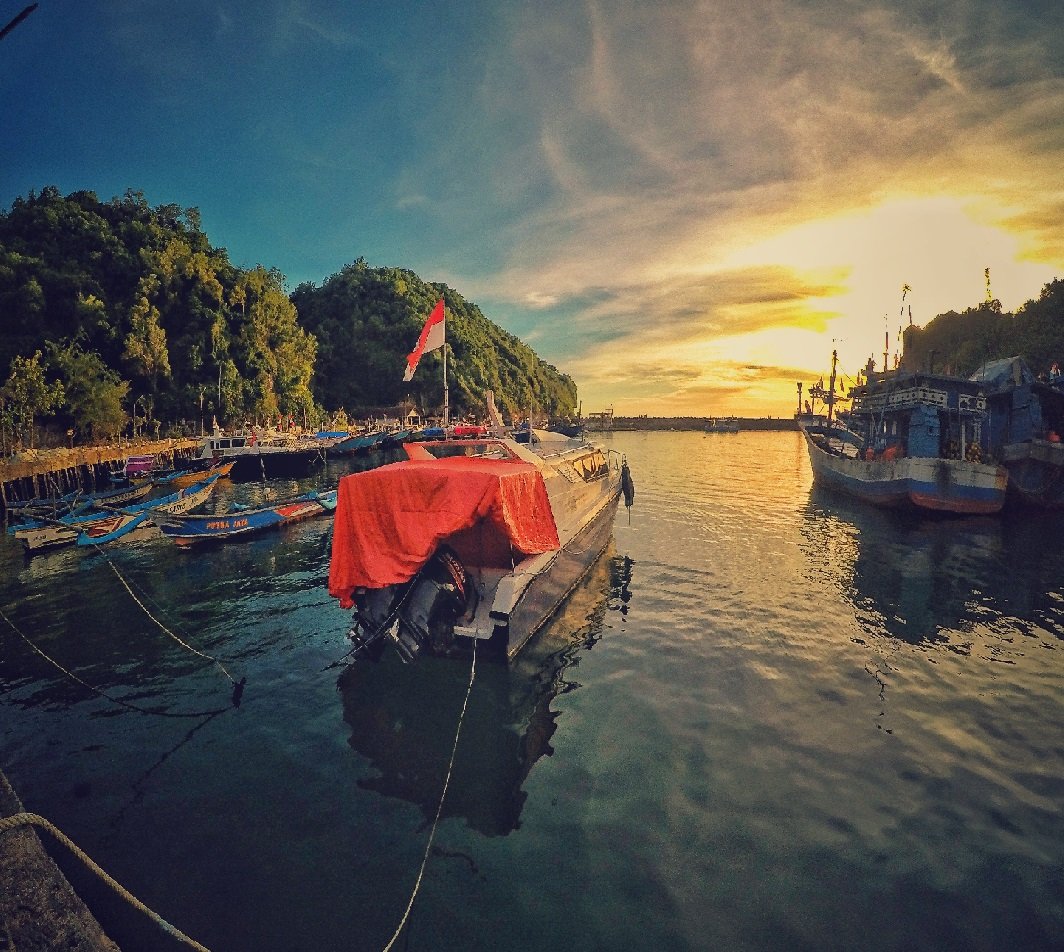
Introduction: Indonesia's fisheries industry is not only a crucial source of livelihood for millions of people but also a valuable contributor to the country's economy. However, as our society becomes increasingly urbanized, it is essential to educate the younger generation about the importance of sustainable fishing practices and raise their awareness about the importance of preserving the marine ecosystem. In this blog post, we will delve into the fascinating connection between children's games and the fisheries industry in Indonesia, exploring how we can pass down these essential lessons through fun and engaging activities. 1. Traditional Games with a Fisheries Twist: Indonesia is rich in diverse traditional games that can easily incorporate elements of the fisheries industry. For example, the popular game "Congklak" can be adapted to highlight the journey of a fisherman as he navigates through different challenges in search of a bountiful catch. By incorporating educational content about sustainable fishing techniques and the importance of responsible fishing practices, we can create an entertaining and informative experience for the children. 2. Role-playing Educational Activities: Role-playing activities allow children to step into the shoes of a fisherman, experiencing firsthand the challenges and rewards of the fishing industry. Through play, they can learn about the different tools, equipment, and techniques used in fishing while also understanding the need to protect and conserve marine resources. Moreover, including discussions about overfishing and environmental sustainability allows children to develop a sense of responsibility towards our seas. 3. Mobile Games and Interactive Apps: In today's technology-driven world, incorporating educational content through mobile games and interactive apps can be an effective way to engage children in learning about the fisheries industry. These digital platforms can provide information on various species of fish, their habitats, and the importance of maintaining a balanced ecosystem. Additionally, incorporating gamification techniques into these apps can keep children motivated and excited to interact and learn about the marine environment. 4. Field Trips and Hands-on Experiences: Taking children on field trips to local fisheries or marine conservation centers is an excellent way to expose them to the realities of the industry. By immersing themselves in the sights, sounds, and activities of the fisheries sector, children can develop a deeper appreciation for the hard work and challenges faced by fishermen. These experiences can also inspire them to value the environment and consider future careers in conservation. Conclusion: By integrating the important concepts of the fisheries industry into children's games and activities, we can lay a foundation for a generation of environmentally conscious individuals. Through traditional games, role-playing activities, digital platforms, and hands-on experiences, we can educate children about sustainable fishing practices and instill in them a sense of responsibility towards our oceans. By nurturing their understanding and appreciation of the crucial role the fisheries industry plays in Indonesia, we can work towards a sustainable future for both our children and our oceans. Visit the following website http://www.ypad.org


