Improving Healthcare in Indonesia: Challenges and Solutions
Category : |
Sub Category : Posted on 2023-10-30 21:24:53
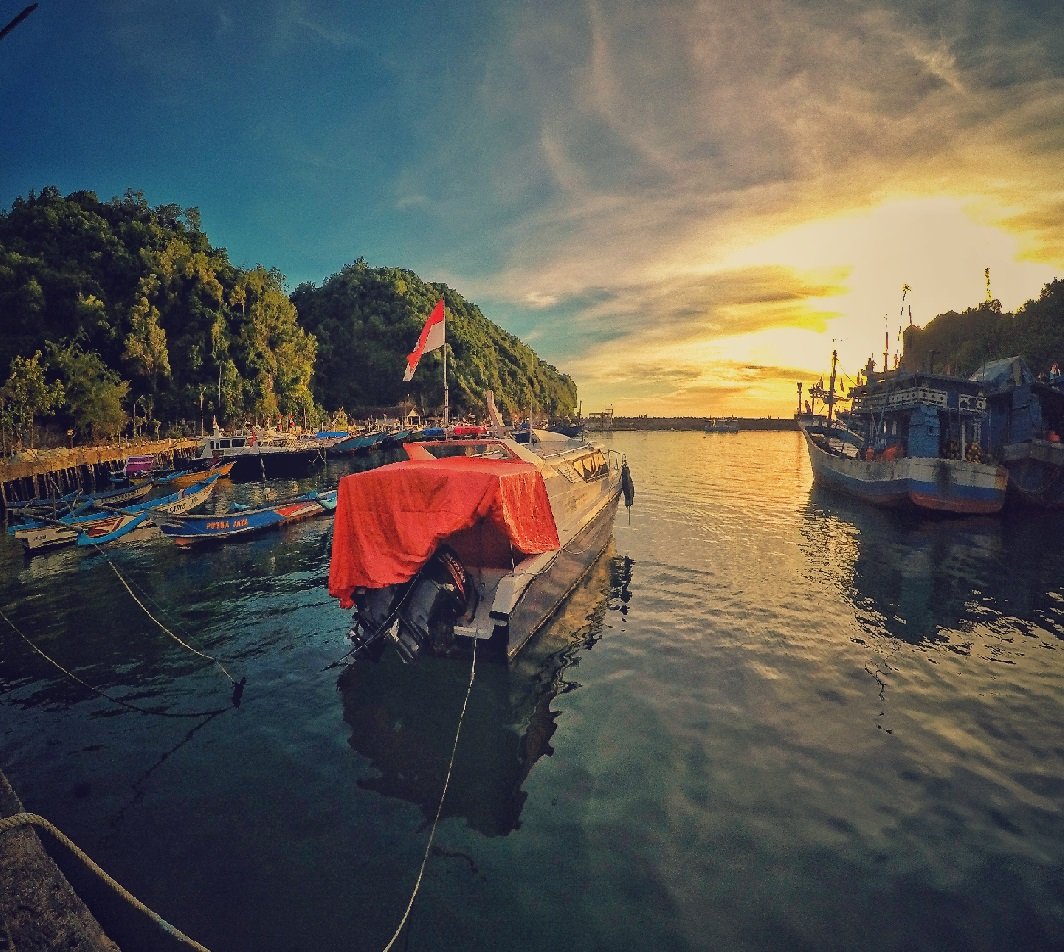
Introduction: Access to quality healthcare is a fundamental right for every individual. In Indonesia, healthcare is a crucial issue, with immense challenges and opportunities for improvement. In this blog post, we will explore the current state of healthcare in Indonesia, the challenges faced by the system, and potential solutions for a better healthcare system. 1. The Current State of Healthcare in Indonesia: Indonesia has made significant progress in healthcare over the years, with a growing number of hospitals, clinics, and healthcare professionals. However, the country still faces several critical challenges, including: a. Limited Access: Access to healthcare services can be a significant challenge, particularly for rural populations and those living in remote areas. Limited infrastructure, lack of healthcare facilities, and long distances to medical facilities are common issues. b. Inequality: The availability and quality of healthcare vary widely across different regions of Indonesia. Urban areas generally have better facilities and services compared to rural regions, creating a significant healthcare disparity. c. Shortage of Healthcare Professionals: Despite the increasing number of medical professionals, there is still a significant shortage of healthcare workers, especially in remote areas. This shortage hampers the provision of quality care and increases the burden on existing healthcare professionals. 2. Challenges Faced by the Indonesian Healthcare System: a. Financing: One of the biggest challenges in the Indonesian healthcare system is financing. Healthcare expenditure in Indonesia is relatively low, with government spending below the global average. Insufficient public funding leads to medical facilities struggling to provide adequate services and a lack of investment in healthcare infrastructure. b. Quality of Care: The quality of healthcare services in Indonesia varies significantly. Some areas lack well-trained healthcare professionals, while others grapple with outdated medical equipment and inadequate supplies. This inconsistency affects patient outcomes and overall healthcare quality. c. Health Education: Health literacy and awareness play a crucial role in improving health outcomes. However, many Indonesians, particularly in rural areas, lack the necessary knowledge about preventive healthcare measures and healthy lifestyles. A lack of health education contributes to the high burden of preventable diseases in the country. 3. Solutions for Improving Healthcare in Indonesia: a. Strengthening Primary Healthcare: Enhancing the primary healthcare system is vital for improving healthcare accessibility. This includes increasing the number of well-equipped community health centers in remote areas, training more primary care physicians, and ensuring the availability of essential medications and equipment. b. Increasing Healthcare Financing: The government should allocate more funds to healthcare to bridge the financial gaps. Improved healthcare financing will enable the development of better infrastructure, the hiring of more healthcare professionals, and the provision of quality care to all Indonesians. c. Health Education and Awareness Programs: Promoting health education and awareness at community levels is crucial to prevent and manage diseases. This can be achieved through campaigns, workshops, and partnerships with local organizations to ensure that individuals have access to accurate and up-to-date health information. d. Telemedicine and Technology: The utilization of telemedicine and technology can greatly enhance healthcare access in remote areas. This includes providing teleconsultation services, remote monitoring of patients, and digital health records for easy access to medical information. Conclusion: Improving healthcare in Indonesia is a complex task that requires collaborative efforts between the government, healthcare providers, and communities. By addressing the challenges of limited access, inequality, and shortage of healthcare professionals, investing in quality care and health education, and embracing technology, Indonesia can move towards achieving a healthcare system that ensures better health and well-being for all its citizens. Want to gain insights? Start with http://www.doctorregister.com Click the following link for more http://www.tinyfed.com To gain a holistic understanding, refer to http://www.natclar.com Explore expert opinions in http://www.qqhbo.com


