Indonesia's Dominance in Renewable Energy and Sustainable Living
Category : |
Sub Category : Posted on 2023-10-30 21:24:53
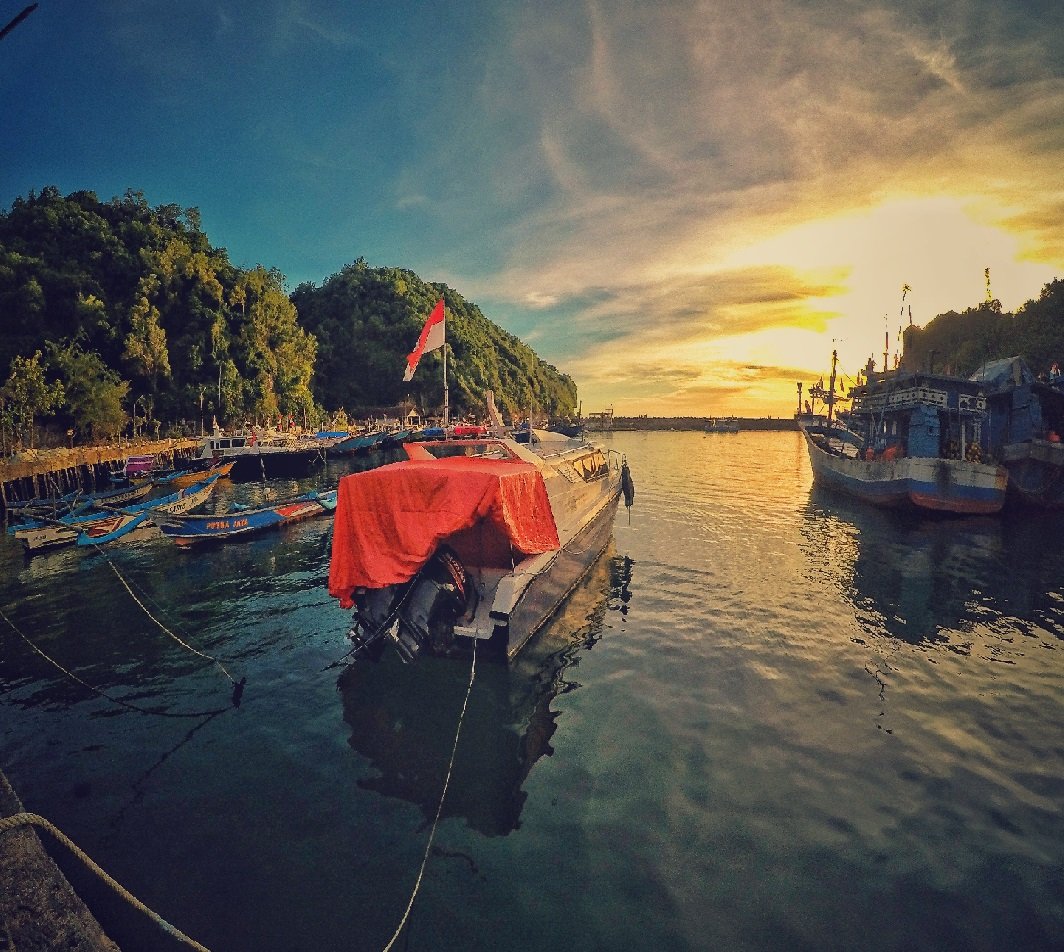
Introduction: Indonesia, known for its breathtaking landscapes and rich biodiversity, is witnessing a notable shift towards renewable energy and sustainable living practices. With a vast untapped potential for renewable resources and an increasing awareness of the need for sustainable development, the nation is poised to become a leader in the global transition to a greener future. In this blog post, we will explore some of the key factors driving Indonesia's progress in renewable energy and sustainable living. 1. Abundant Renewable Resources: Indonesia is blessed with an abundance of natural resources, making it an ideal candidate for renewable energy generation. The archipelago boasts vast geothermal, solar, wind, and hydro potential, which can be harnessed to reduce dependency on fossil fuels. The government has recognized this potential and is actively promoting renewable energy projects, attracting both local and international investments. 2. Government Initiatives: The Indonesian government has taken significant steps to encourage renewable energy development and sustainable living practices. The National Energy Policy, for instance, aims to achieve a 23% renewable energy mix by 2025. To achieve this, the government initiated a feed-in tariff scheme, providing incentives to renewable energy providers. Additionally, various financial and tax incentives are available to companies in the renewable energy sector, fostering its growth. 3. Public-Private Partnerships: To accelerate the adoption of renewable energy and sustainable living practices, Indonesia is fostering partnerships between the public and private sectors. Local businesses and multinational corporations are investing in renewable projects and collaborating with the government to promote sustainable practices. This synergy allows for knowledge transfer, technological innovation, and financial support, enabling sustainable growth in the renewable energy sector. 4. Community Empowerment: Indonesia's renewable energy efforts are not only limited to large-scale projects. The government and various organizations actively engage local communities, empowering them to embrace sustainable living practices. Initiatives such as microgrid projects in remote areas and the promotion of energy-efficient solutions help improve access to clean energy while uplifting local communities. These efforts not only contribute to energy security but also provide economic opportunities and environmental benefits. 5. Sustainable Infrastructure: Apart from renewable energy, Indonesia is also focusing on sustainable infrastructure development. Urban centers are adopting green building practices, incorporating energy-efficient designs and materials. The construction industry is transitioning towards eco-friendly alternatives, reducing its carbon footprint. Additionally, the government is investing in public transportation systems and cycling infrastructure to reduce reliance on private vehicles and promote sustainable mobility. Conclusion: Indonesia's commitment to renewable energy and sustainable living presents a promising future. With abundant renewable resources, favorable government policies, public-private partnerships, community empowerment, and sustainable infrastructure development, the country is well-positioned to lead the region's transition to a greener and more sustainable future. By embracing and investing in renewable energy and sustainable practices, Indonesia can not only reduce its carbon emissions but also create a resilient and prosperous future for its citizens. For a deeper dive, visit: http://www.nubland.com Get a well-rounded perspective with http://www.keralachessyoutubers.com


