Boosting the Fisheries Industry in Indonesia through Effective Marketing Strategies
Category : |
Sub Category : Posted on 2023-10-30 21:24:53
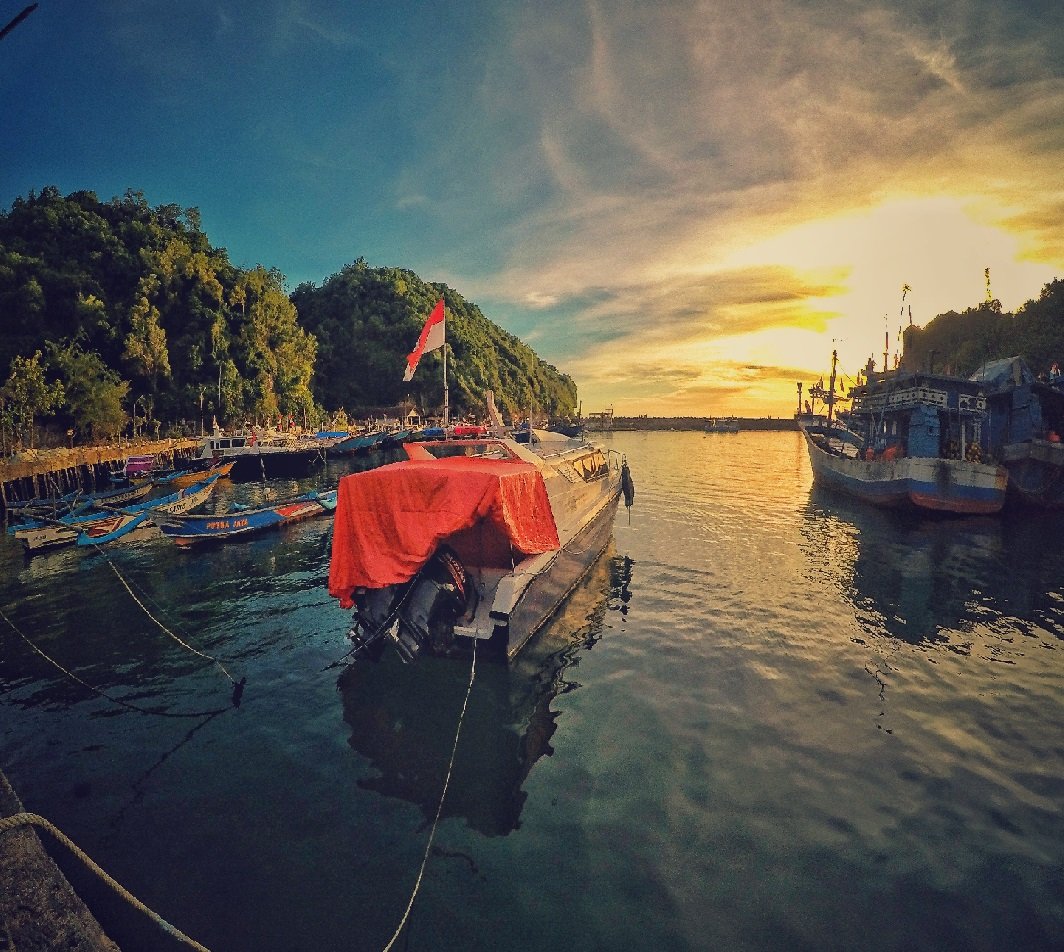
Introduction: Indonesia, a country known for its rich marine resources, has a thriving fisheries industry. With a vast coastline and abundant sea life, the potential for growth in this sector is immense. However, in order to fully harness this potential, it is crucial to develop and implement effective marketing strategies. In this blog post, we will explore the various marketing tactics that can help bring greater visibility, sustainability, and profitability to the fisheries industry in Indonesia. 1. Building Brand Identity: The first step towards successful marketing is to build a strong brand identity for the fisheries industry in Indonesia. This can be achieved by highlighting the country's unique selling propositions such as sustainable fishing practices, diverse seafood offerings, and commitment to quality. A captivating logo and catchy tagline can also help create a positive perception among consumers and differentiate Indonesian seafood from competitors in the global market. 2. Leveraging Digital Platforms: In today's digital age, harnessing the power of online platforms is essential for marketing any industry. For the fisheries industry in Indonesia, it is crucial to establish a strong online presence through a well-designed website and engaging social media profiles. Utilizing platforms like Instagram, Facebook, and Twitter can help showcase the variety of seafood products available, promote sustainable fishing practices, share success stories of local fishermen, and attract potential buyers from around the world. 3. Engaging in Content Marketing: Content marketing is a valuable tool for educating consumers about the fisheries industry and its impact on the local economy and environment. Creating informative and engaging content such as blog posts, videos, and infographics can help raise awareness about sustainable fishing practices, the nutritional benefits of seafood, and the unique flavors of Indonesian cuisine. By positioning the fisheries industry as a responsible and ethical choice, consumers will be more inclined to support local fishermen and purchase Indonesian seafood products. 4. Collaborating with Influencers: Influencer marketing has emerged as a powerful strategy for promoting products and services across various industries. For the fisheries industry in Indonesia, collaborating with food bloggers, chefs, seafood enthusiasts, and sustainability advocates can provide an opportunity to showcase the quality and versatility of Indonesian seafood. These influencers can create captivating content, share their experiences with Indonesian seafood, and encourage their followers to explore and purchase products from the fisheries industry. 5. Participating in Trade Shows and Expos: Trade shows and expos provide excellent opportunities for businesses in the fisheries industry to connect with potential buyers, partners, and investors. Participating in international seafood exhibitions and local food industry events can help build relationships with distributors, retailers, and importers who can help expand the market reach of Indonesian seafood products. These events also allow industry players to showcase their products, network with experts, gain insights into market trends, and stay updated on the latest innovations and technologies in the fisheries sector. Conclusion: Marketing plays a vital role in promoting and expanding the fisheries industry in Indonesia. By focusing on building a strong brand identity, leveraging digital platforms, engaging in content marketing, collaborating with influencers, and participating in trade shows, the industry can carve a niche for itself in the global market. With a combination of sustainable fishing practices, high-quality seafood products, and effective marketing strategies, Indonesia has the potential to become a leading player in the fisheries industry, contributing to both economic growth and environmental conservation. also for More in http://www.tinyfed.com To get a better understanding, go through http://www.droope.org


