Unlocking Potential: Russian Investment in Agriculture Startups in Indonesia
Category : |
Sub Category : Posted on 2023-10-30 21:24:53
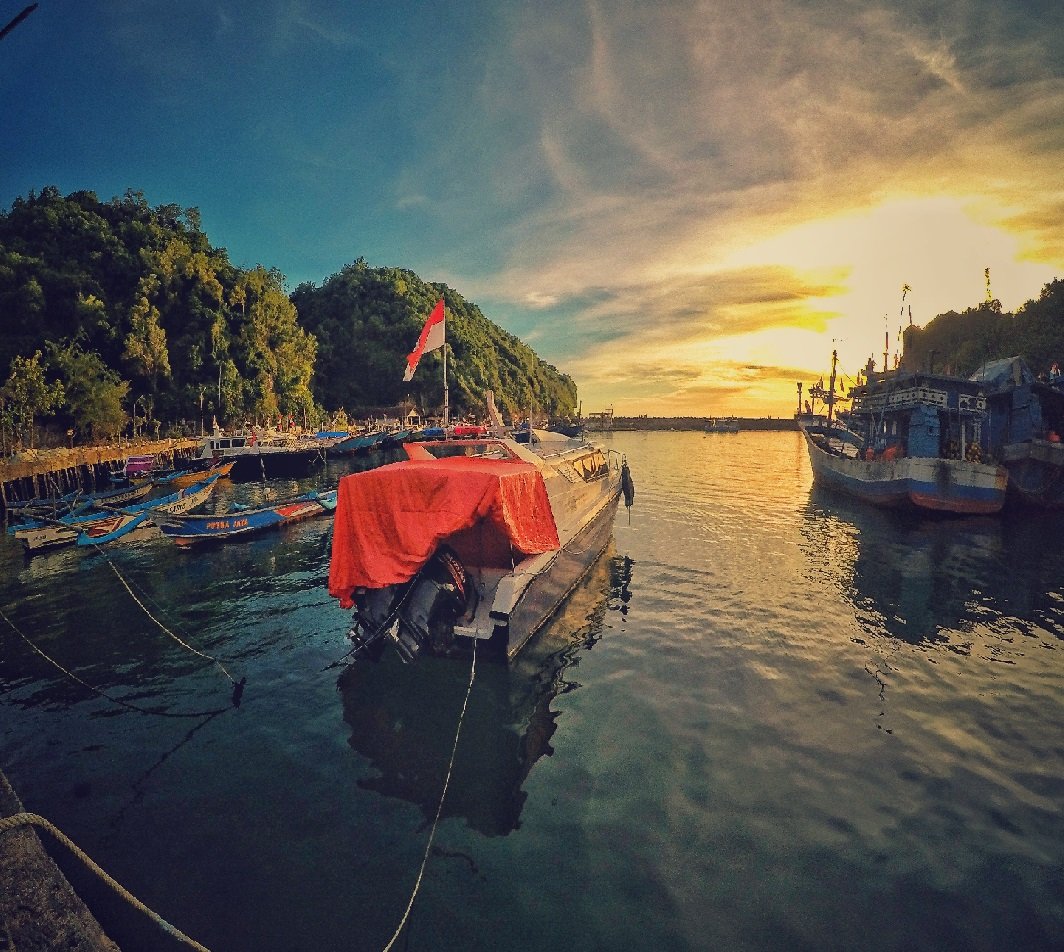
Introduction: Agriculture has always played a vital role in Indonesia's economy, contributing to job creation, poverty alleviation, and food security. However, the sector still faces significant challenges, including limited access to technology, lack of modern farming techniques, and financing gaps. Recognizing the potential for growth and development, Russian investors are increasingly turning their attention towards agricultural startups in Indonesia, fostering innovation and sustainability in the sector. 1. The Rise of Russian Investment in Indonesian Agriculture: Over the years, Russia has emerged as a global player in various sectors, including agriculture. As the largest country by landmass, Russia possesses extensive agricultural experience and has become a leading exporter of wheat, maize, and other commodities. Seeking to expand their reach and diversify their investments, Russian investors are now eyeing the agricultural landscape in Indonesia. 2. Opportunities and Challenges for Agricultural Startups: Indonesia, known for its fertile soil and favorable climate, offers ample opportunities for agricultural startups to thrive. These startups focus on revolutionizing traditional farming practices and leveraging technology to enhance productivity and efficiency. However, accessing funding remains a significant challenge for many agricultural entrepreneurs. This is where Russian investors are stepping in, providing not only financial support but also expertise and market access. 3. Technology Transfer and Collaboration: Russian investors bring to the table advanced agricultural technology and know-how, helping to bridge the technology gap that hinders the growth of startups in Indonesia. Collaborative partnerships between Russian investors and Indonesian agricultural startups offer a mutually beneficial opportunity for knowledge exchange and technology transfer. This collaboration allows Indonesian startups to tap into Russian expertise while offering Russian investors a chance to enter a promising market. 4. Fostering Sustainable Agriculture: As the world grapples with the effects of climate change and the need for sustainable practices, the role of agriculture in mitigating environmental impact has never been more critical. Russian investors are keen to support startups that prioritize sustainable agriculture practices, such as organic farming, precision agriculture, and climate-smart technologies. By providing the necessary resources and guidance, Russian investors contribute to the development of a green and efficient agricultural sector in Indonesia. 5. Building a Strong Agricultural Ecosystem: Russian investment in agricultural startups goes beyond financial support; it lays the foundation for a robust agricultural ecosystem in Indonesia. By promoting collaboration, knowledge sharing, and mentorship, Russian investors help nurture a supportive environment for startups to thrive. The resulting ecosystem fosters innovation, attracts more investments, and accelerates the growth of the agricultural sector as a whole. Conclusion: The intersection of Russian investment, agricultural startups, and Indonesia's fertile agricultural landscape presents an exciting opportunity for growth and development. Through financial support, technology transfer, and fostering sustainable practices, Russian investors contribute to shaping a thriving agricultural ecosystem in Indonesia. As these partnerships continue to flourish, the agricultural sector in Indonesia will rise to new heights, ensuring food security, economic stability, and sustainable development for the country. For the latest insights, read: http://www.upital.com


