Enhancing the Fisheries Industry: Lessons from Rwanda and Indonesia
Category : |
Sub Category : Posted on 2023-10-30 21:24:53
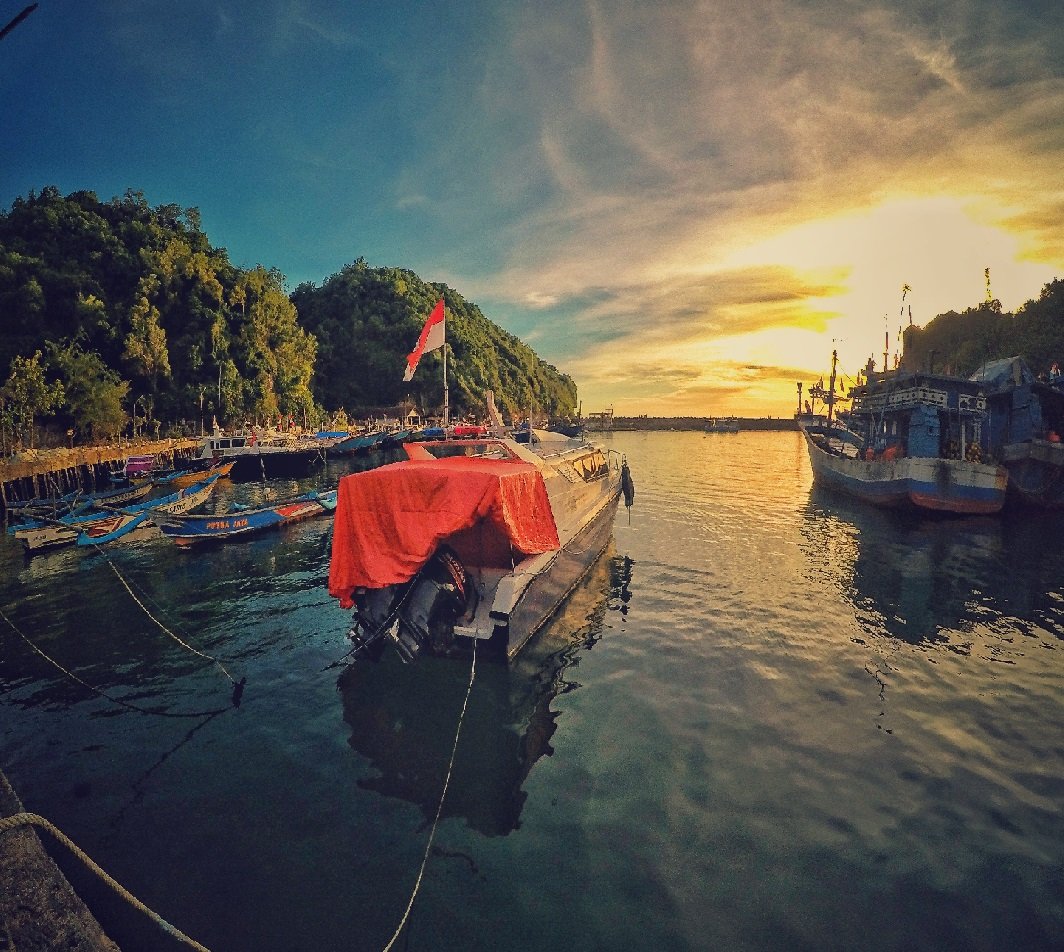
Introduction: The fisheries industry plays a crucial role in providing food security, employment opportunities, and economic growth for many countries around the world. Both Rwanda and Indonesia have made significant strides in developing their fisheries industry, albeit in different contexts. In this blog post, we will explore the successes and challenges faced by these two nations and identify key lessons that can be learned from their experiences. 1. Rwanda's Aquaculture Revolution: Rwanda, a landlocked country in East Africa, has a unique approach to its fisheries industry. With limited natural water resources, the country has focused on developing aquaculture to meet its growing demand for fish. Through initiatives like the Aquaculture Development Program and the One Cow per Poor Family program, Rwanda has encouraged small-scale fish farming in ponds and tanks. This approach has not only increased fish production but also helped alleviate poverty and improve nutrition among the population. Lesson learned: Investing in aquaculture can be an effective strategy for countries with limited access to natural water bodies. 2. Indonesia's Rich Marine Biodiversity: In contrast, Indonesia is the world's largest archipelagic nation, with vast marine resources spanning over 17,000 islands. The country's fisheries industry is characterized by artisanal and commercial fishing, as well as fish processing and exports. With a diverse range of fish species, Indonesia has become a global player in the seafood market, contributing to both domestic consumption and international trade. However, sustainable management practices, such as tackling illegal, unreported, and unregulated (IUU) fishing, remains a challenge for the nation. Lesson learned: Protecting marine biodiversity and implementing sustainable fishing practices are essential for long-term growth and conservation. 3. Challenges and Opportunities: Despite progress, both Rwanda and Indonesia face common challenges in their fisheries industry. Overfishing, environmental degradation, and lack of modern infrastructure hinder the sector's potential. Furthermore, climate change impacts, such as rising sea levels and ocean acidification, pose additional threats to these industries. However, there are also ample opportunities for growth, such as increasing value-added processing, adopting modern techniques, and exploring new markets. Lesson learned: Balancing environmental sustainability and economic development is crucial for the fisheries industry's long-term viability. 4. Collaboration and Knowledge Sharing: To overcome these challenges, collaboration and knowledge sharing are vital. Rwanda and Indonesia can learn from each other's experiences and exchange best practices. For instance, Indonesia can provide insights into managing large-scale operations, while Rwanda's focus on small-scale aquaculture can inspire sustainable practices. International organizations, like the Food and Agriculture Organization (FAO) and regional bodies, can facilitate such partnerships and support capacity building initiatives. Lesson learned: Collaboration among nations and organizations is key to driving positive change in the fisheries industry. Conclusion: The fisheries industry in Rwanda and Indonesia presents both challenges and opportunities. By investing in sustainable practices, leveraging unique geographical advantages, and fostering collaboration, these nations can enhance food security, increase employment opportunities, and contribute to economic growth. It is through lessons learned and shared experiences that we can pave the way for a thriving and sustainable fisheries industry globally.


