Exploring the Fisheries Industry in Indonesia: From Shopping Carts to Sustainable Practices
Category : |
Sub Category : Posted on 2023-10-30 21:24:53
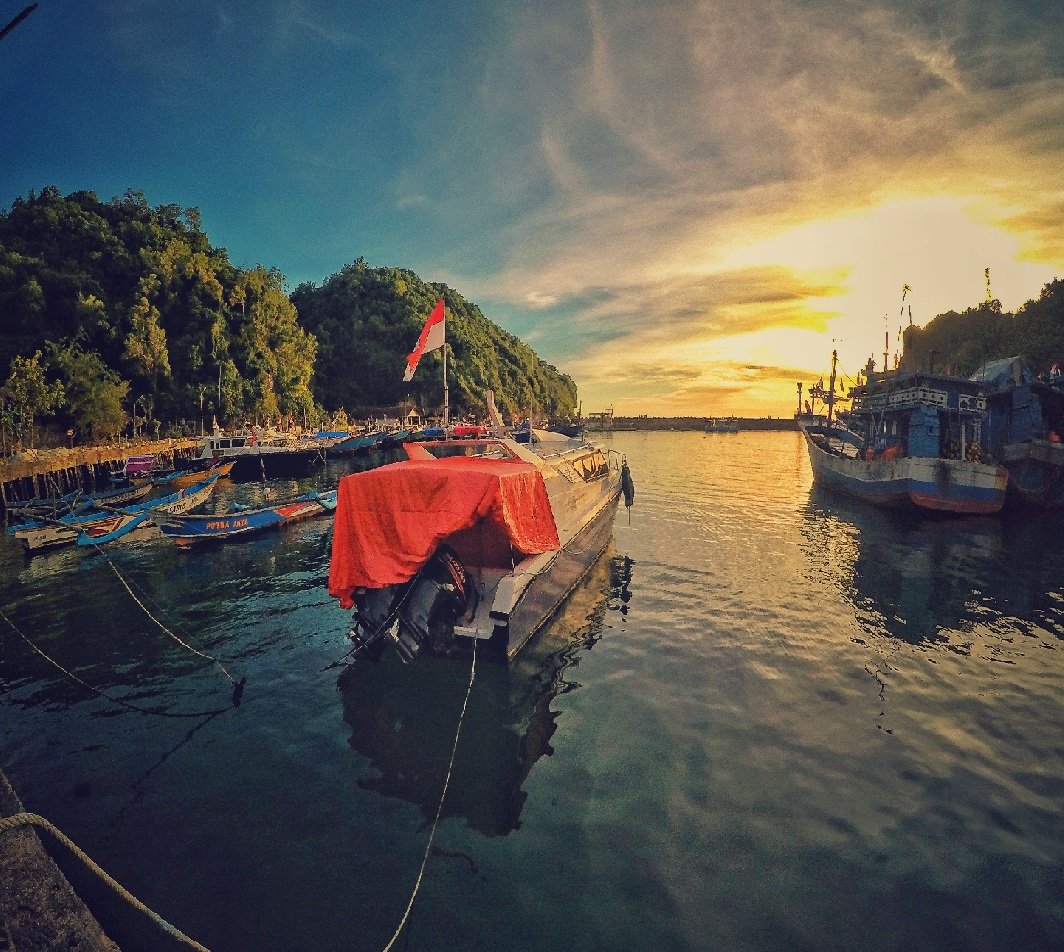
Introduction: The fisheries industry in Indonesia is a vital part of the country's economy, providing employment, food security, and foreign exchange earnings. With its expansive coastline, Indonesia is home to a diverse range of marine species, making it one of the largest global producers of fish and other aquatic products. In recent years, the industry has undergone significant changes and challenges, leading to the implementation of sustainable practices and ensuring the long-term viability of this crucial sector. 1. Traditional Trade: From Shopping Carts to Marketplaces For many years, traditional fishing communities in Indonesia relied on small fishing boats and local markets to sell their catch. The iconic image of fishermen hauling their fresh catch in shopping carts through bustling Indonesian markets is still alive today. These markets offer a unique experience, allowing both locals and tourists to engage directly with the fishing communities and purchase fresh seafood. 2. Challenges in the Fisheries Industry Despite its immense potential, the fisheries industry in Indonesia faces several challenges that threaten its sustainability. Overfishing, illegal fishing, habitat destruction, and climate change are some of the key issues that need to be addressed. These factors have led to declining fish stocks, diminishing biodiversity, and decreased incomes for fishing communities. 3. Implementing Sustainable Practices Recognizing the need for change, the Indonesian government has taken significant steps to promote sustainable fishing practices. This includes implementing stricter regulations, creating marine protected areas, and encouraging the adoption of sustainable fishing techniques. The aim is to restore fish populations, safeguard marine ecosystems, and provide a better livelihood for fishing communities. 4. Community-Based Fisheries Management An effective approach to sustainable fisheries management in Indonesia is the community-based model. This model empowers local communities to participate in decision-making and take responsibility for managing their fishing grounds. Through collective action, communities establish rules and regulations that ensure sustainable fishing practices, while also protecting their rights and preserving traditional knowledge. 5. Certification and Traceability Another crucial aspect of sustainable fisheries is certification and traceability. By obtaining certifications such as the Marine Stewardship Council (MSC) or Aquaculture Stewardship Council (ASC), Indonesian fisheries can demonstrate their commitment to sustainable practices. These certifications assure consumers that the seafood they are purchasing has been responsibly sourced, contributing to the conservation of marine ecosystems. 6. Engaging Consumers Consumer awareness and demand for sustainable seafood play a vital role in driving change within the fisheries industry. It is essential to educate consumers about the importance of sustainable practices and the positive impact their choices can have on the environment and fishing communities. By choosing certified and traceable seafood products, consumers can support sustainable fisheries and contribute to the conservation efforts in Indonesia. Conclusion: The Indonesian fisheries industry has come a long way, transitioning from shopping cart sales to sustainable practices. The government's commitment to implementing stricter regulations, community-based management, and certification programs has been instrumental in promoting sustainable fishing and preserving marine ecosystems. Engaging consumers and raising awareness about sustainable seafood choices further strengthens these efforts. By working together, all stakeholders can ensure the long-term viability of the fisheries industry in Indonesia, benefiting both the environment and the communities that rely on it. Get a well-rounded perspective with http://www.bestshopcart.com


