Diving into Indonesia's State-Paid Fisheries Industry
Category : |
Sub Category : Posted on 2023-10-30 21:24:53
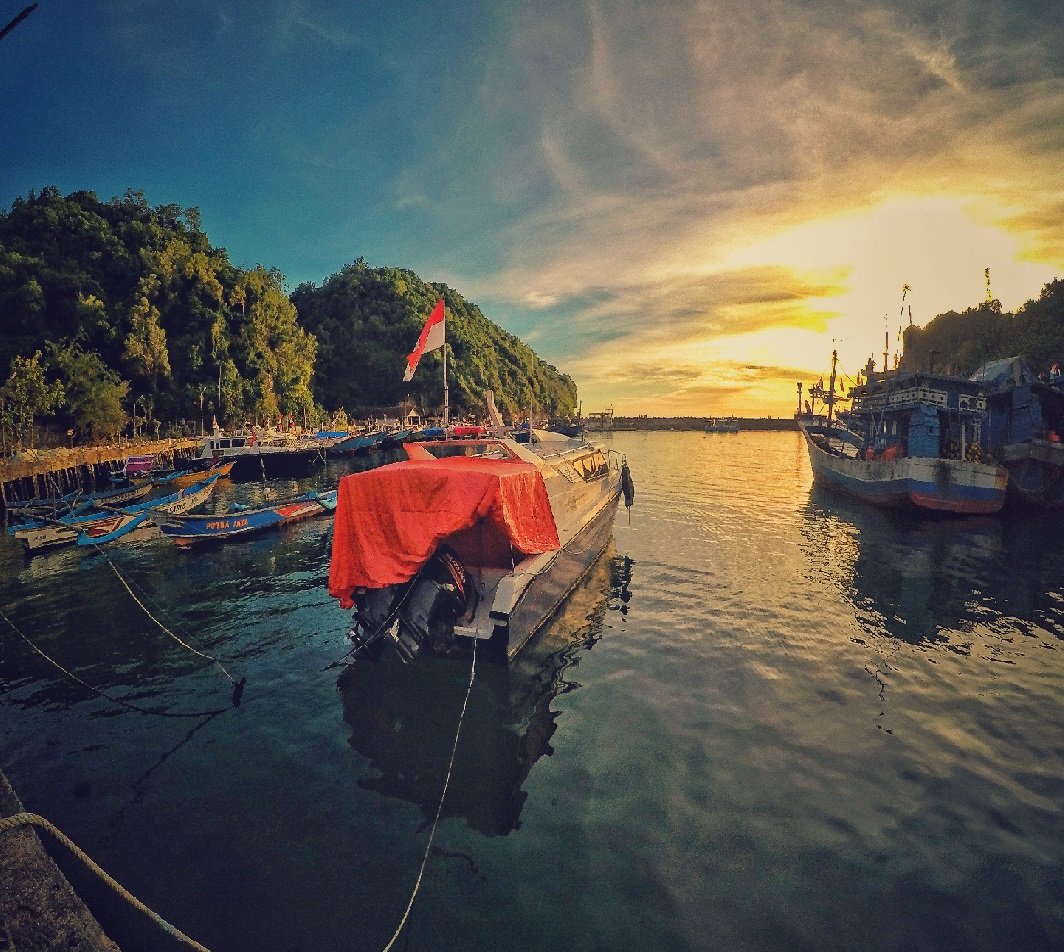
Introduction: Indonesia, with its vast marine resources and archipelagic landscape, boasts one of the world's richest fisheries industries. This sector plays a vital role in supporting the livelihoods of millions of Indonesians living in coastal communities. Recognizing the importance of sustainable fishing practices and the need for economic growth, the Indonesian government has implemented various initiatives, including the state-paid fisheries industry. In this blog post, we will delve into the details of this program, its significance, and its impact on Indonesia's fishing communities. Understanding the State-Paid Fisheries Industry: The state-paid fisheries industry program, also known as the Program Jaminan Hidup (PJH), was established by the Indonesian government to ensure fishermen's well-being and improve their livelihoods by directly supporting their fishing activities. This initiative aims to alleviate poverty among fishermen and their families while promoting sustainable fishing practices and the conservation of marine resources. How does it work? Under this program, fishermen receive financial assistance, subsistence allowances, insurance coverage, and access to essential resources such as fishing equipment and quality fish storage facilities. The funds are primarily provided for the implementation of sustainable fishing methods, upgrading boat technology, and improving the overall living conditions of fishermen. The Significance of the State-Paid Fisheries Industry: 1. Poverty alleviation: By providing financial support and resources, the government aims to reduce poverty levels among fishermen and their families. This program allows them to improve their economic condition, access better education and healthcare, and lead a more dignified life. 2. Sustainable fishing practices: The state-paid fisheries industry encourages fishermen to adopt sustainable fishing techniques, such as using selective gear, implementing catch limits, and avoiding harmful practices that harm marine ecosystems. By promoting responsible fishing methods, this program contributes to the conservation and preservation of Indonesia's marine resources. 3. Economic growth: Indonesia's fisheries industry contributes significantly to the national economy. By investing in the state-paid fisheries industry, the government supports the growth of this sector, leading to increased employment opportunities, improved infrastructure, and enhanced domestic and international trade. Impact on Indonesia's Fishing Communities: The implementation of the state-paid fisheries industry has had a substantial positive impact on fishing communities across Indonesia. Here are some notable benefits: 1. Improved fishing capabilities: Through the program, fishermen receive advanced equipment and technical training to enhance their fishing skills. This leads to increased productivity and better harvests, resulting in improved income and economic stability. 2. Social welfare: By providing subsistence allowances and insurance coverage, the government ensures the welfare of fishermen and their families. This program allows them to access basic necessities, education, and healthcare services, ultimately uplifting their quality of life. 3. Conservation of marine resources: The emphasis on sustainable fishing practices helps protect Indonesia's marine biodiversity. With better awareness and regulations, fishermen become stewards of their local ecosystems, contributing to the long-term health and sustainability of marine habitats. Conclusion: Indonesia's state-paid fisheries industry program plays a crucial role in supporting the livelihoods of fishermen and their communities, promoting sustainable fishing practices, and driving economic growth. Through financial assistance, resources, and insurance coverage, this initiative empowers fishermen and improves their well-being, while ensuring the conservation of Indonesia's rich marine resources. The government's commitment to this sector underscores its dedication to poverty alleviation, environmental preservation, and the overall development of the country's fishing communities. For an in-depth analysis, I recommend reading http://www.statepaid.com


