Exploring the Agricultural Landscapes of Uzbekistan and Indonesia
Category : |
Sub Category : Posted on 2023-10-30 21:24:53
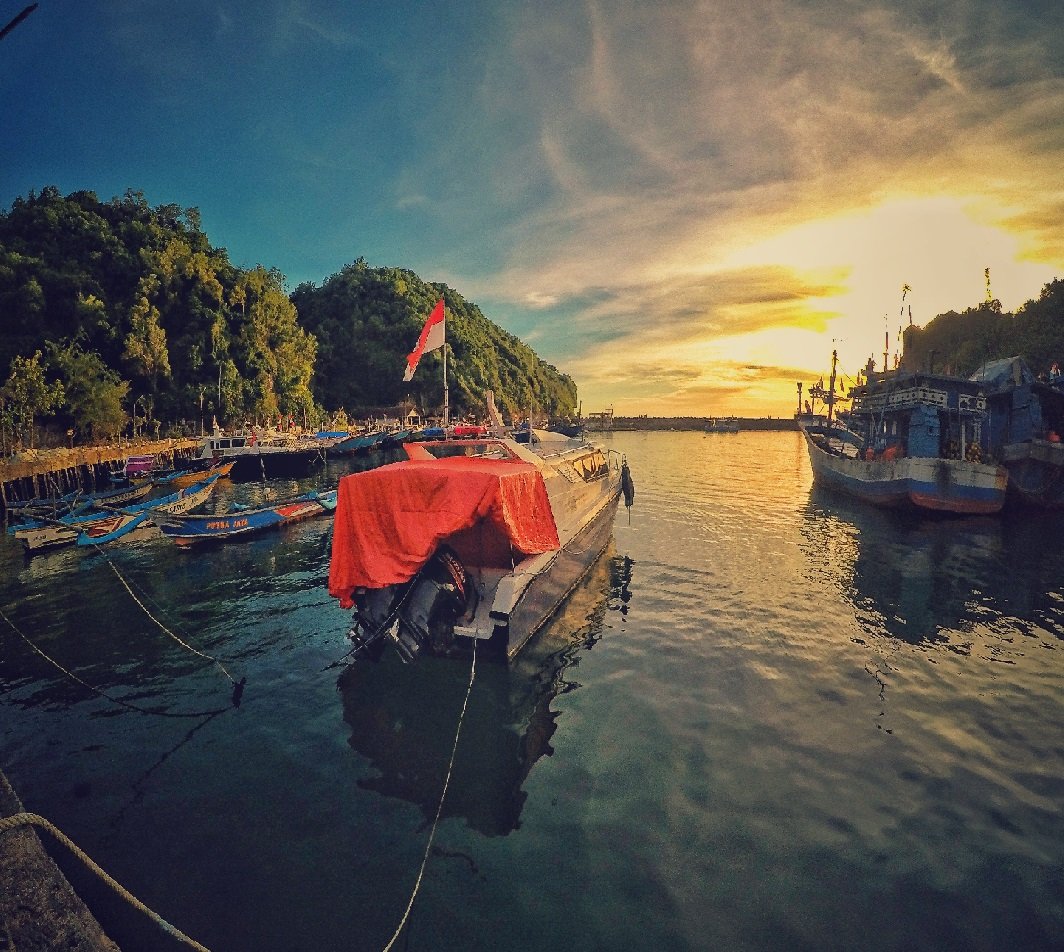
Introduction: Agriculture is a vital sector for many countries worldwide, providing food security, economic development, and employment opportunities. In this blog post, we delve into the agricultural landscapes of two diverse nations: Uzbekistan and Indonesia. Despite being geographically distant, both countries have a rich agricultural heritage, with unique challenges and opportunities. Join us as we explore the fascinating world of agriculture in Uzbekistan and Indonesia. Agriculture in Uzbekistan: Uzbekistan, situated in Central Asia, has a long-standing history of agriculture, dating back centuries to ancient civilizations. The country's favorable climate, abundant water resources, and fertile soil make it an ideal location for agricultural productivity. Uzbekistan is renowned for its vast cotton fields, which are the backbone of the country's agricultural industry. Cotton production plays a significant role in the national economy, with Uzbekistan being one of the top cotton exporters in the world. In addition to cotton, Uzbekistan also cultivates various crops such as wheat, corn, vegetables, and fruits. The country's agricultural sector heavily relies on irrigation systems, utilizing numerous reservoirs and canals to nurture its fields. Traditional farming methods coexist with modern techniques, promoting sustainable agricultural practices and enhancing productivity. Uzbekistan's agriculture sector continues to evolve, driven by innovative approaches and government support. Agriculture in Indonesia: Indonesia, located in Southeast Asia, boasts a diverse agricultural landscape due to its vast archipelago and varying climatic zones. The country's agricultural sector is highly diverse, involving traditional small-scale farming as well as large-scale plantations. With rich volcanic soil and abundant rainfall, Indonesia enjoys favorable conditions for cultivating a broad range of crops. Rice is Indonesia's primary staple crop, providing sustenance for the nation's burgeoning population. Palm oil, cocoa, rubber, coffee, and spices are major cash crops, contributing significantly to the country's export revenue. Small-scale farmers play a crucial role in Indonesia's agriculture, particularly in producing fruits, vegetables, and rice. However, the country also encourages modern agricultural techniques, such as aquaculture and hydroponics, to address the increasing demand for food and sustainability. Challenges and Opportunities: Both Uzbekistan and Indonesia face unique challenges in their agriculture sectors. Uzbekistan must address issues related to water management, soil erosion, and crop diversification to reduce its heavy reliance on cotton. Indonesia, on the other hand, grapples with deforestation, climate change, and the need for sustainable farming practices to preserve its ecosystems. However, alongside these challenges lie exciting opportunities for growth. Increased investment in agricultural technology, research, and development can enhance productivity and address sustainability concerns. Market diversification, improved infrastructure, and the adoption of efficient farming techniques can help both countries meet domestic demand and expand their exports. Conclusion: The agricultural landscapes of Uzbekistan and Indonesia offer a glimpse into the remarkable diversity and potential of these nations. From the vast cotton fields of Uzbekistan to Indonesia's fertile volcanic soil, both countries harbor rich agricultural traditions. By addressing existing challenges and capitalizing on opportunities, Uzbekistan and Indonesia can further develop their agriculture sectors, ensuring food security, economic prosperity, and sustainable practices for future generations.


